DTG hoodie & sweatshirt printing
Bring illustrations, photographic artwork and color-rich graphics to a hoodie or sweatshirt. Direct-to-garment printing puts the image onto the fabric; we review the artwork and garment together before confirming the approach.
Request a quote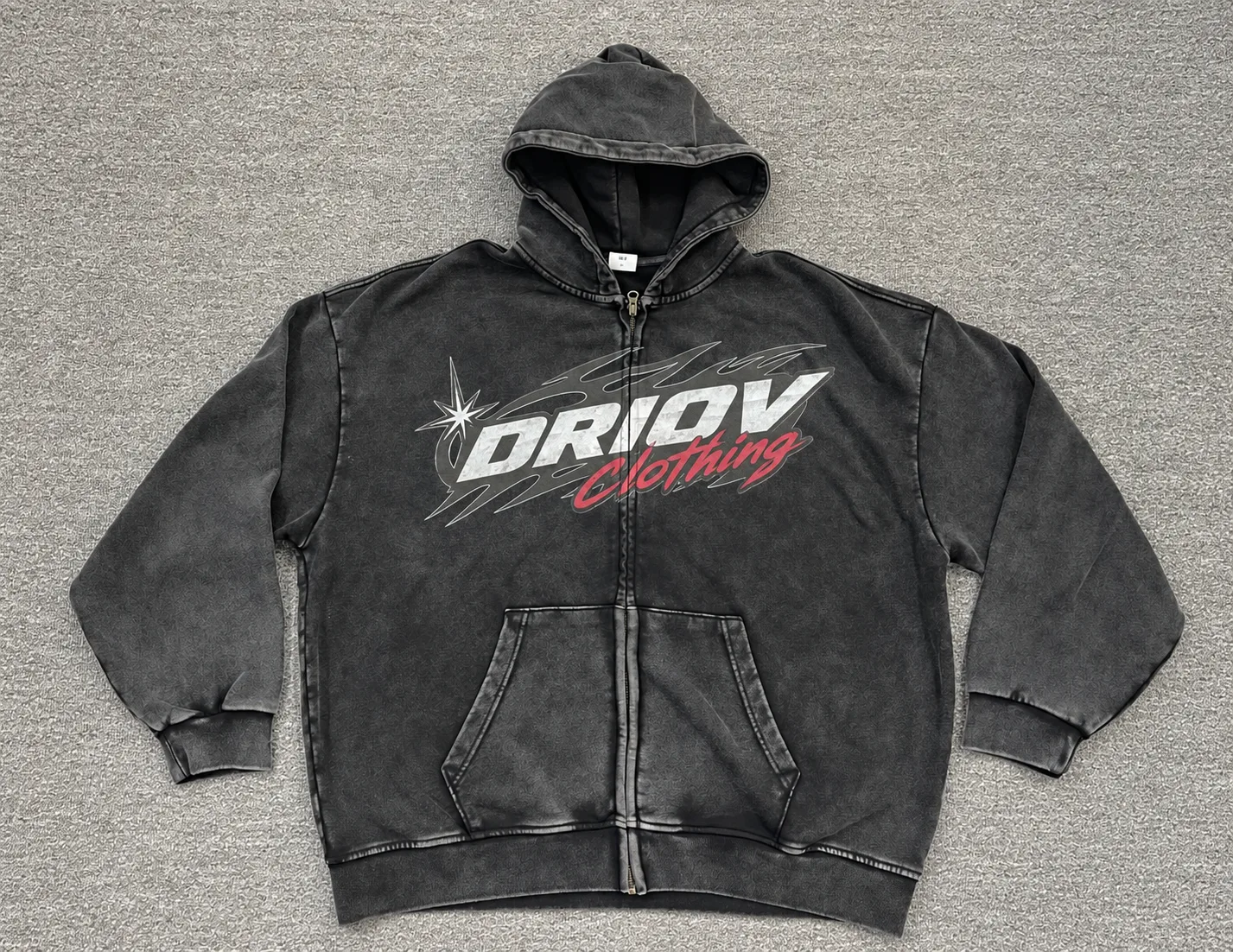
Keep the character of the artwork
DTG is worth discussing when the design relies on subtle color changes or image detail. The source file, printed size and fabric surface all influence what the finished image can show. Send the original image rather than a screenshot of the mockup.
The garment color is part of that result. Printing on a light base and printing with a white ink layer on a dark base involve different preparation. A sample on the intended fabric and color gives a more useful reference than a screen preview.
Match the file to the garment
Provide the artwork with its intended background or transparency clearly identified. Include the finished width and height, and point out details that matter most, such as fine type, soft gradients or a specific brand color. We can then discuss what needs particular attention.
Share the fabric composition if known and a placement drawing that shows pockets, seams and zippers. DTG prints directly onto the garment; it is a different route from printing a design onto film and transferring it. If you are unsure which route fits the brief, include the desired result rather than guessing.
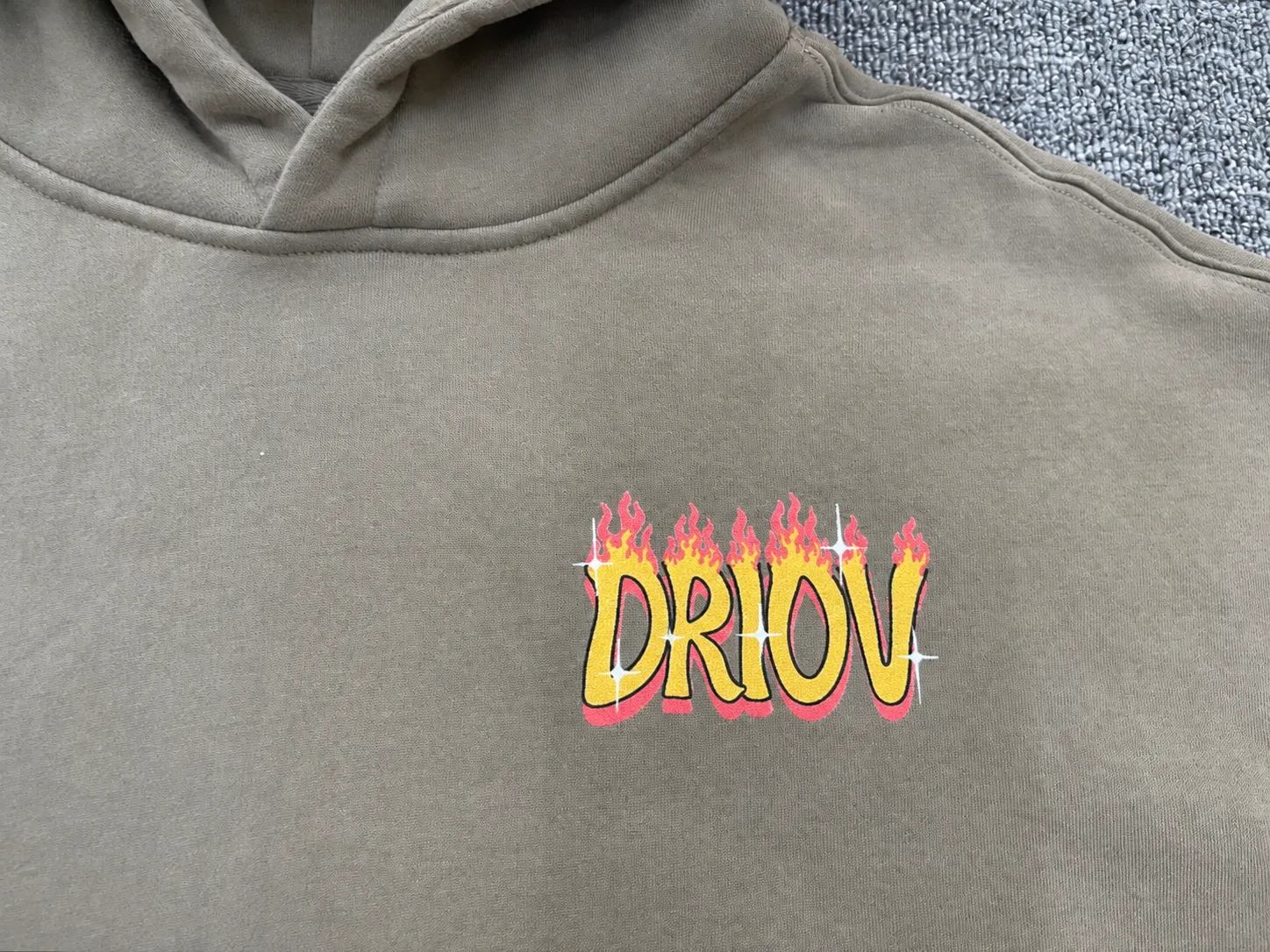
Compare the print at its actual size
Review fine detail, image edges, light and dark areas, and the relationship between print color and garment color. Handle the full printed area to assess its feel, especially where the design uses broad solid coverage.
Check the placement on a complete garment and record the approved file revision. Discuss the care conditions and any required performance checks alongside the visual approval.
From a wordmark to a graphic.
Compare lettering, multicolor illustrations and tonal artwork. A pullover chest and a zip-front layout need different placement decisions; send the original artwork and intended print size with your brief.
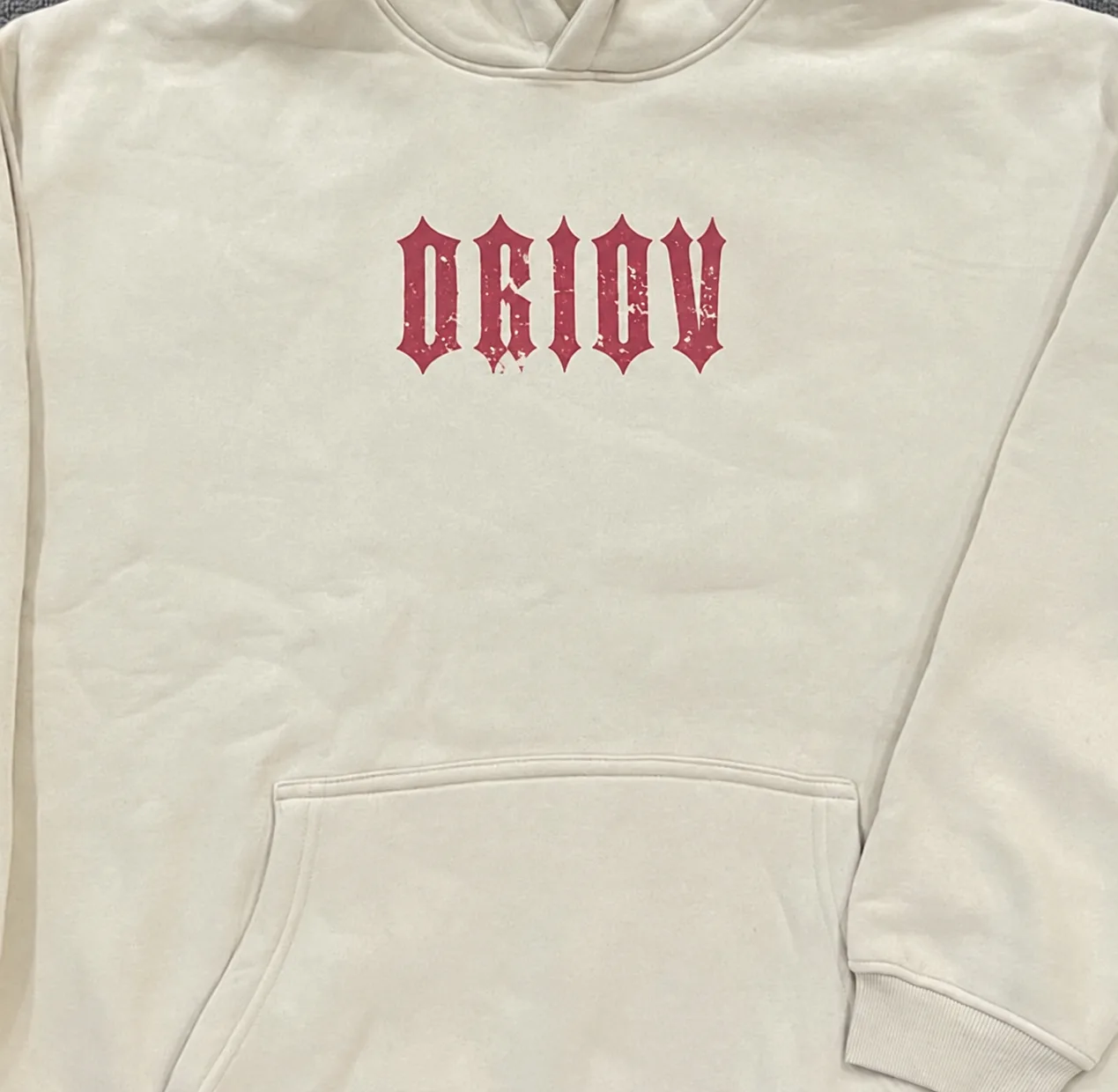
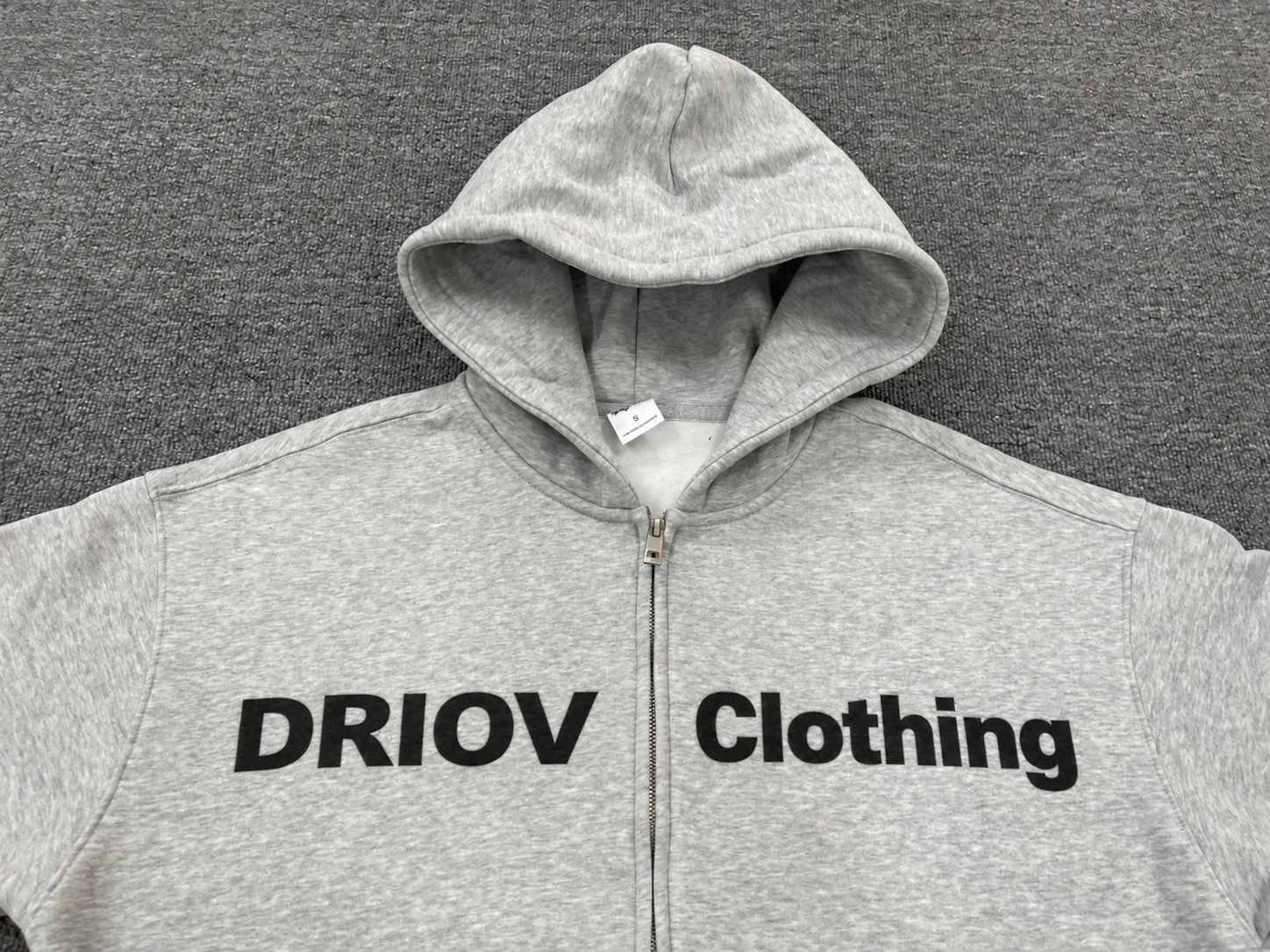
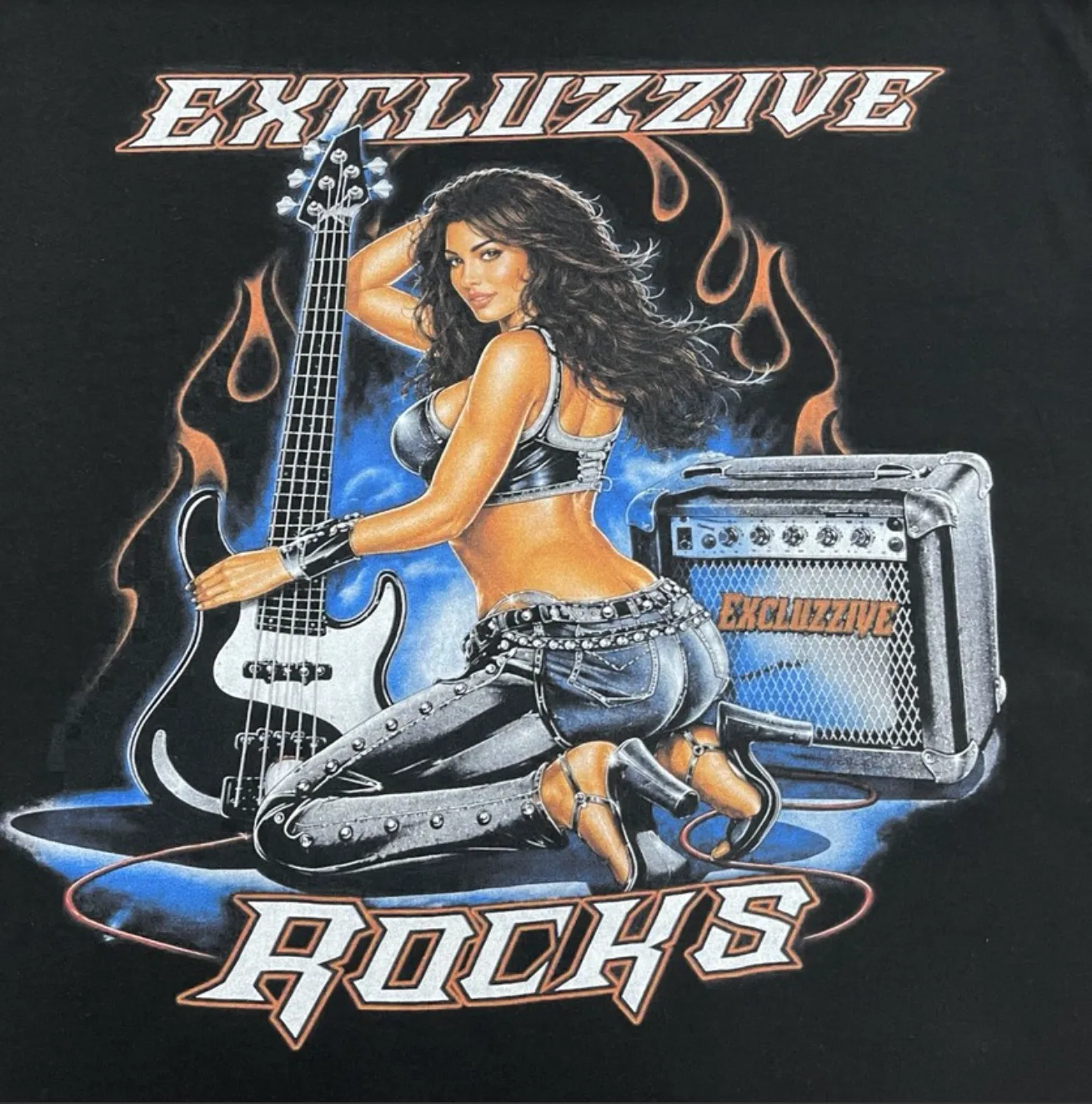
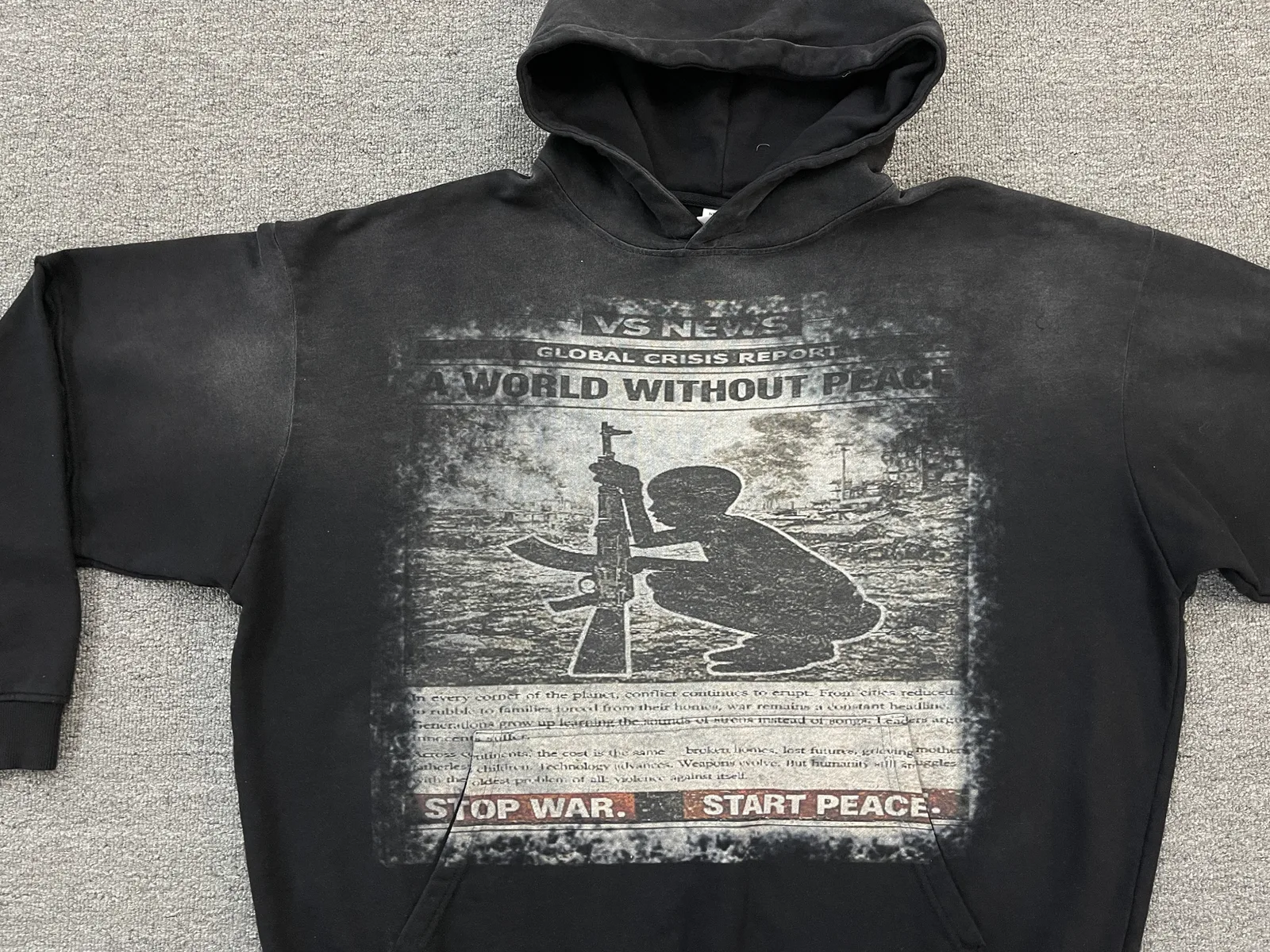
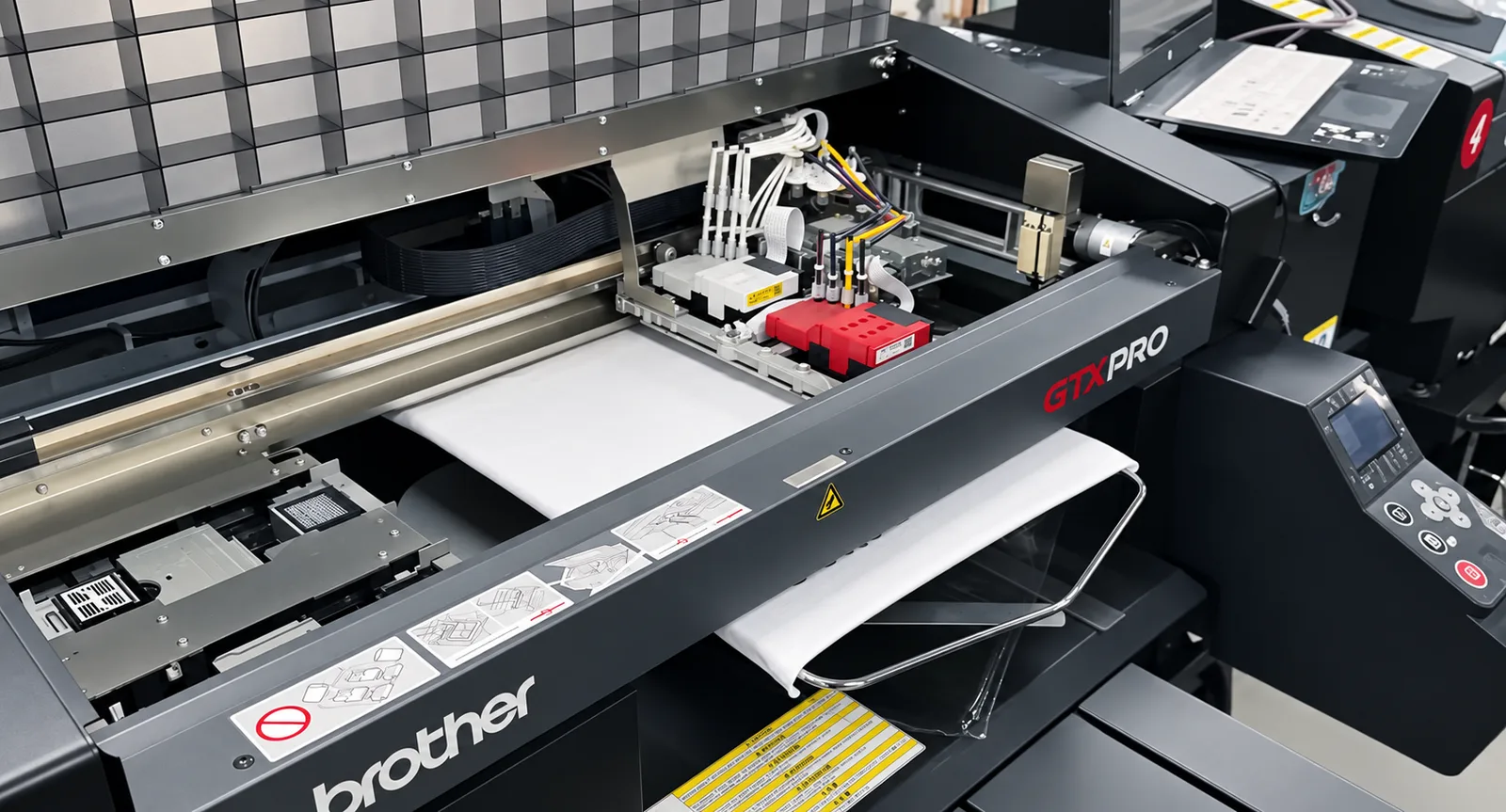
Position the garment for DTG.
The fabric is held flat on a platen for printing. The artwork area needs to be considered alongside seams, pockets and the shape of the garment.
Include the garment color and the intended print position in your brief. Review a print sample on the selected fabric before approving the result.
What to send with your inquiry.
Start with the information you have. We’ll work through the open details with you.
- Original image files and a viewable design reference.
- Printed dimensions, transparency and placement instructions.
- Garment style, composition if known, and each base color.
- Quantities by artwork version and important color references.
Plan the rest of your garment.
Your artwork. Your next collection.
Bring the garment, decoration and quantities into one conversation.