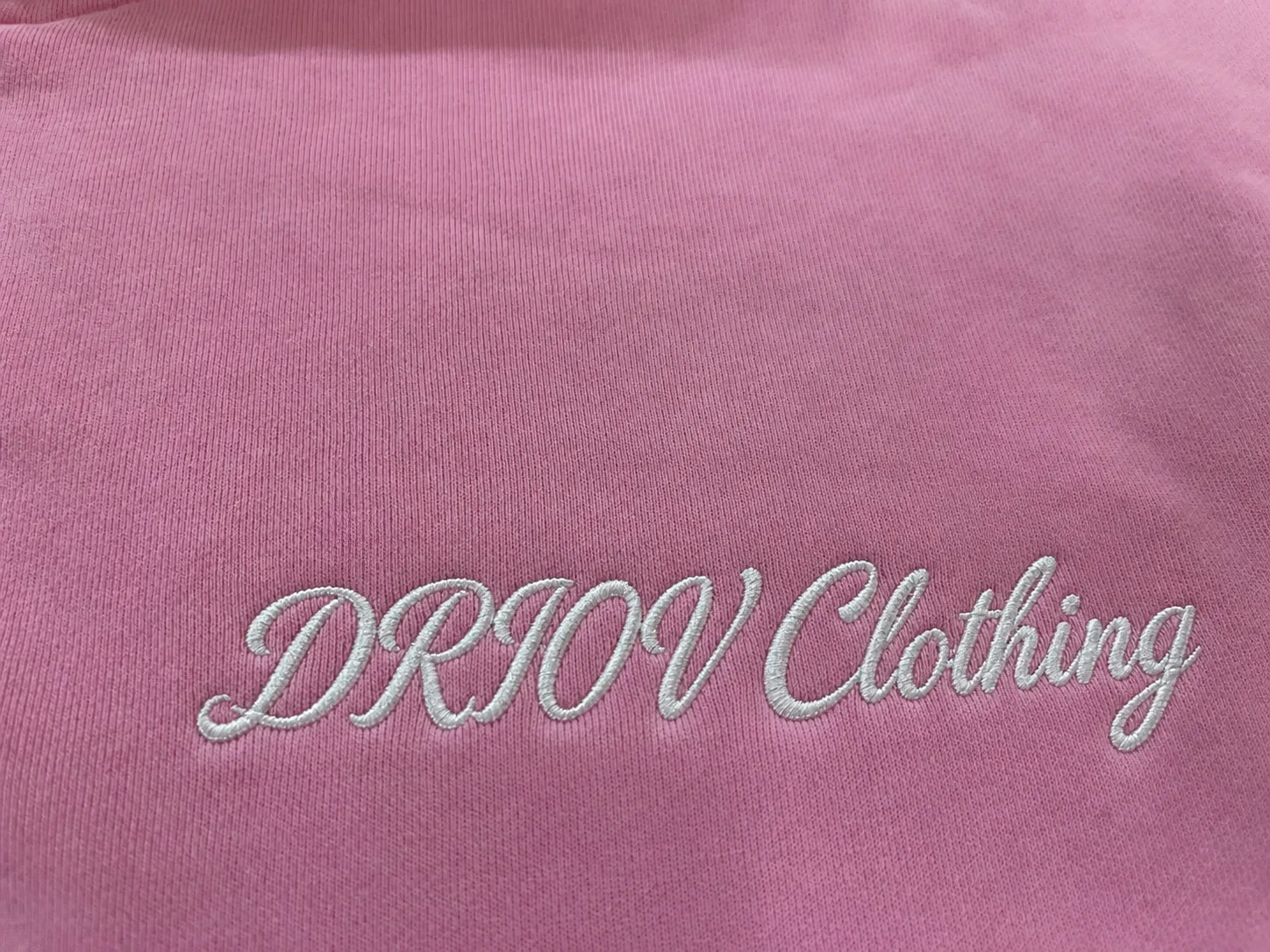
Embroidery
Give a chest logo, sleeve mark or larger graphic the texture of stitched thread. We review the design together with the garment, so its scale, placement and feel work as one piece.
Embroidery, printed graphics, garment finishes and your own brand details. Start with an existing style or bring your own design; we’ll review the right combination for your project.
Explore the look of each method, then share the artwork and garment you have in mind.
Give a chest logo, sleeve mark or larger graphic the texture of stitched thread. We review the design together with the garment, so its scale, placement and feel work as one piece.
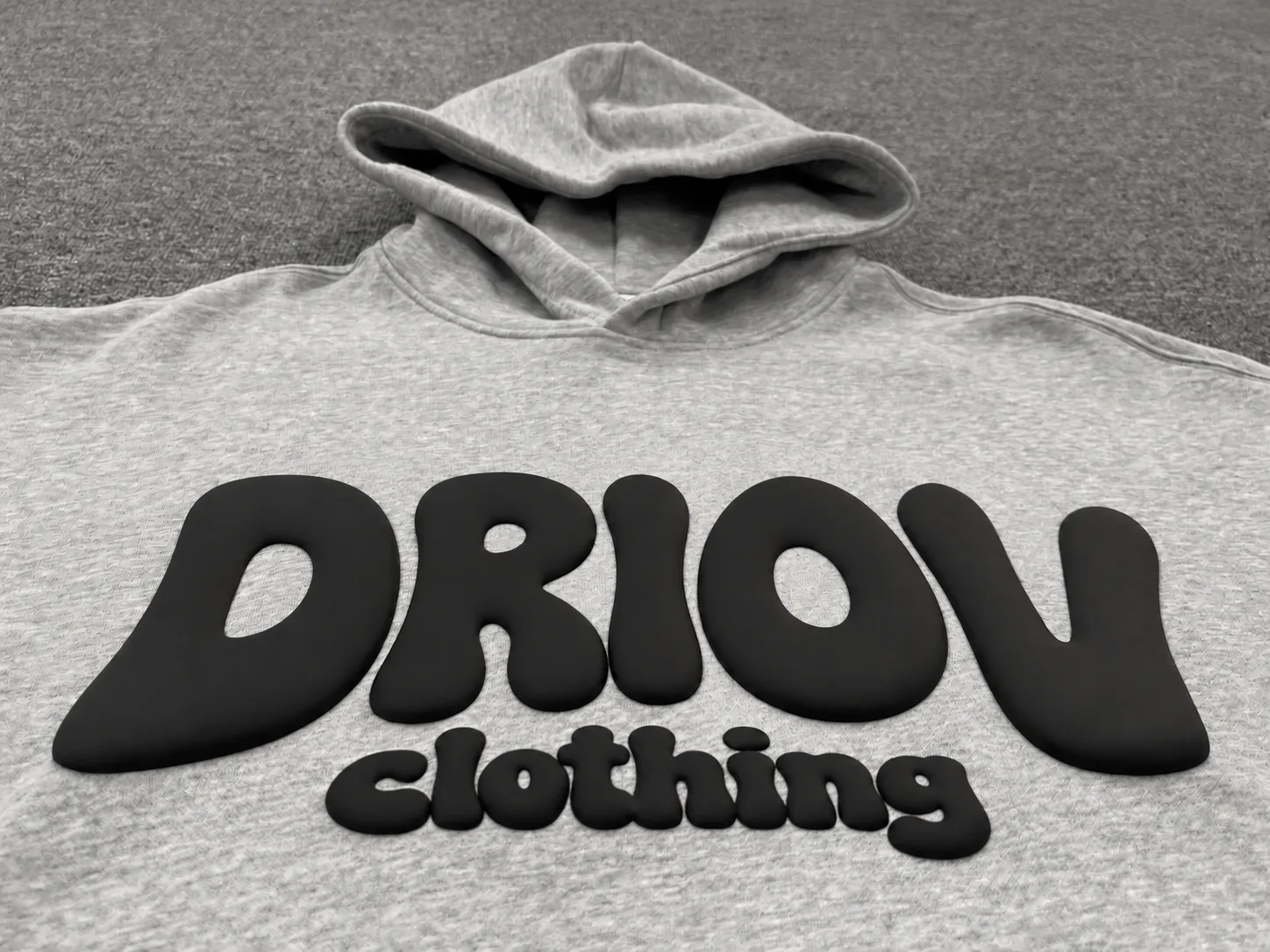
Add a raised printed detail to a hoodie or crewneck. Start with the shape and scale you want to see, then use a garment sample to agree the color, surface and feel.
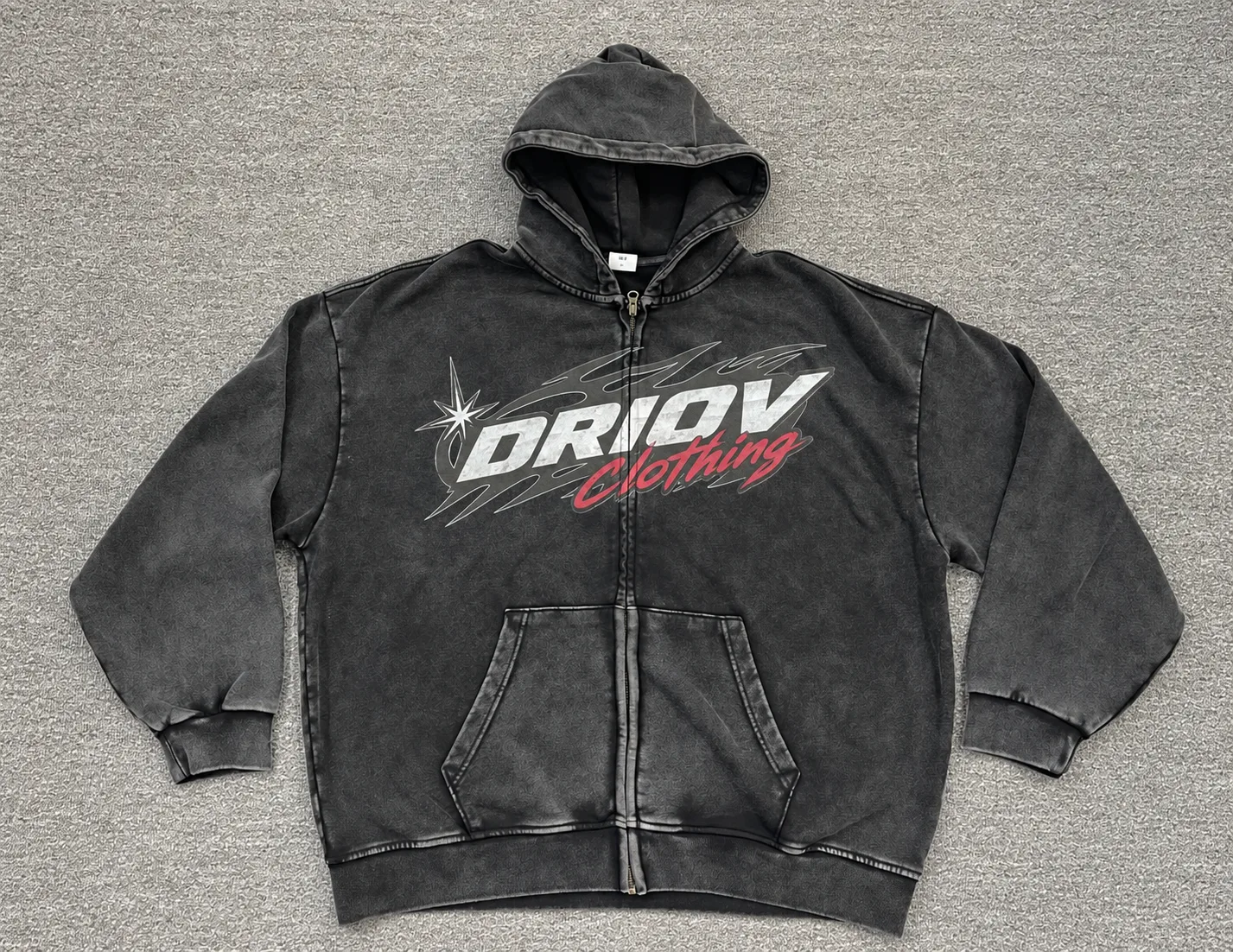
Bring illustrations, photographic artwork and color-rich graphics to a hoodie or sweatshirt. Direct-to-garment printing puts the image onto the fabric; we review the artwork and garment together before confirming the approach.
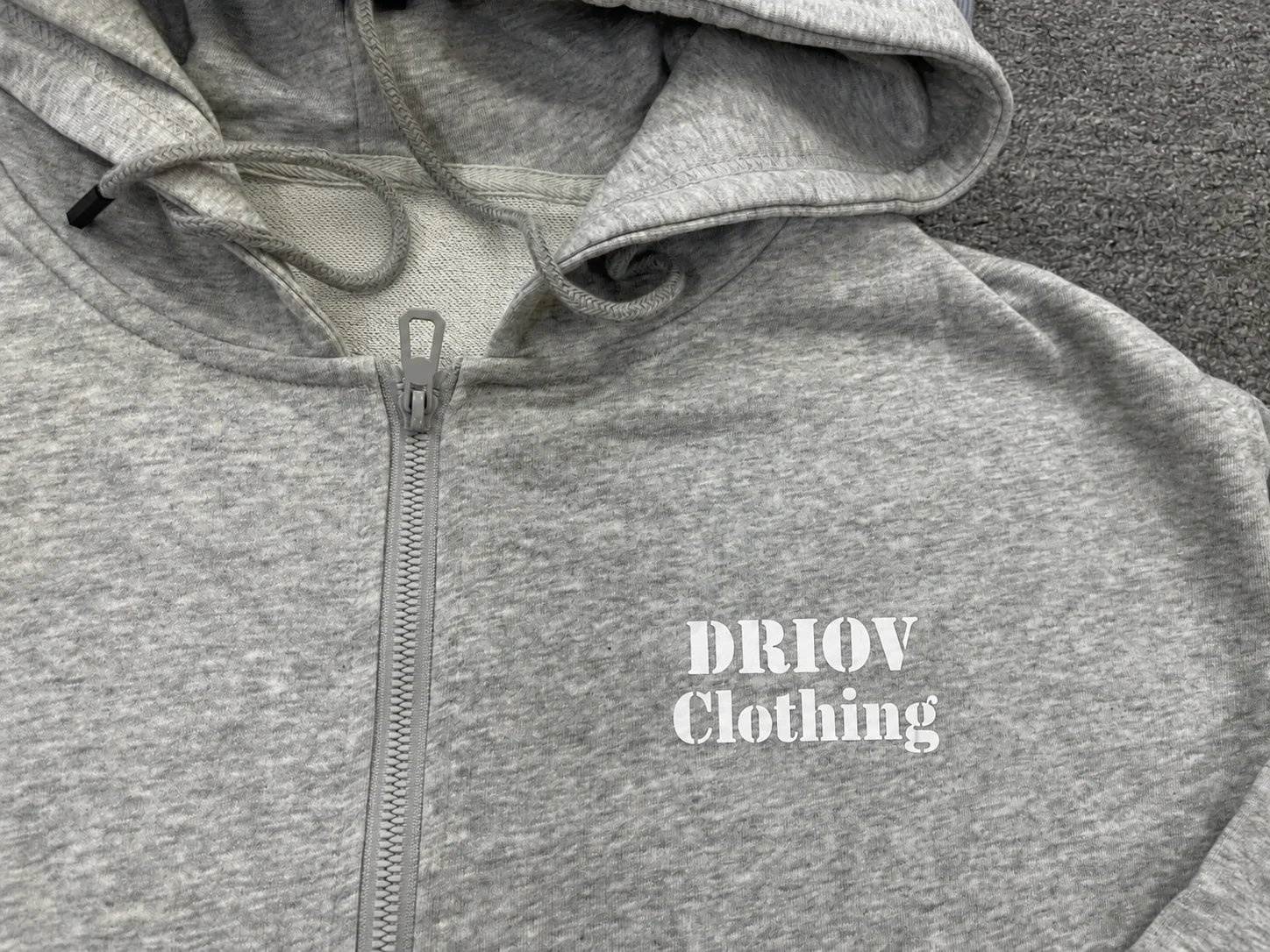
Build a collection around a clear wordmark, graphic or repeat artwork. Screen printing gives each design a defined print setup, with the garment, ink colors and placement reviewed together.
Send a reference. We can discuss the options with you.
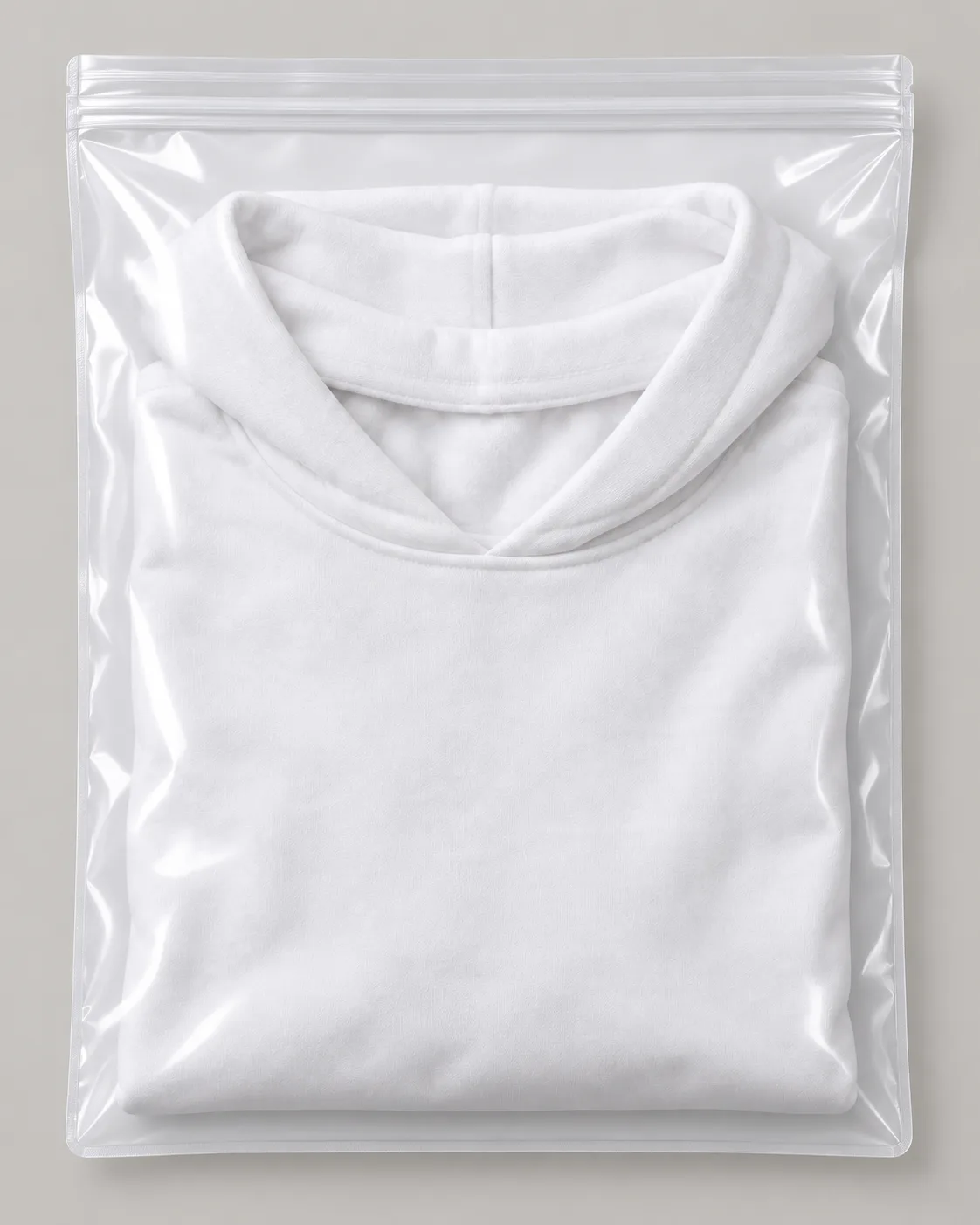
Explore 10 stages of custom hoodie production, from the garment brief and cutting table to printing, sewing, finishing and packing.
View the production process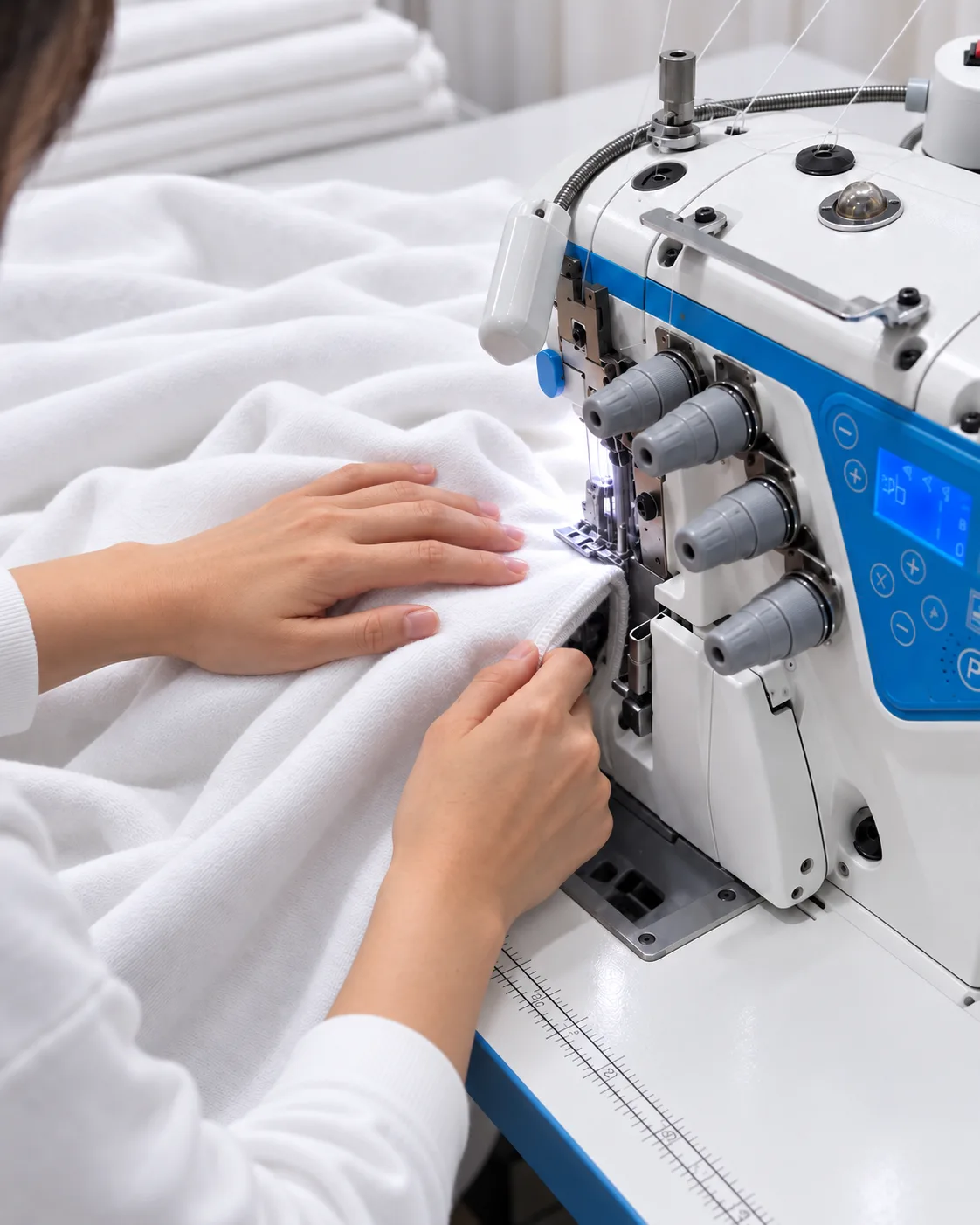
Additional options for the surface, edge and detail of a graphic.
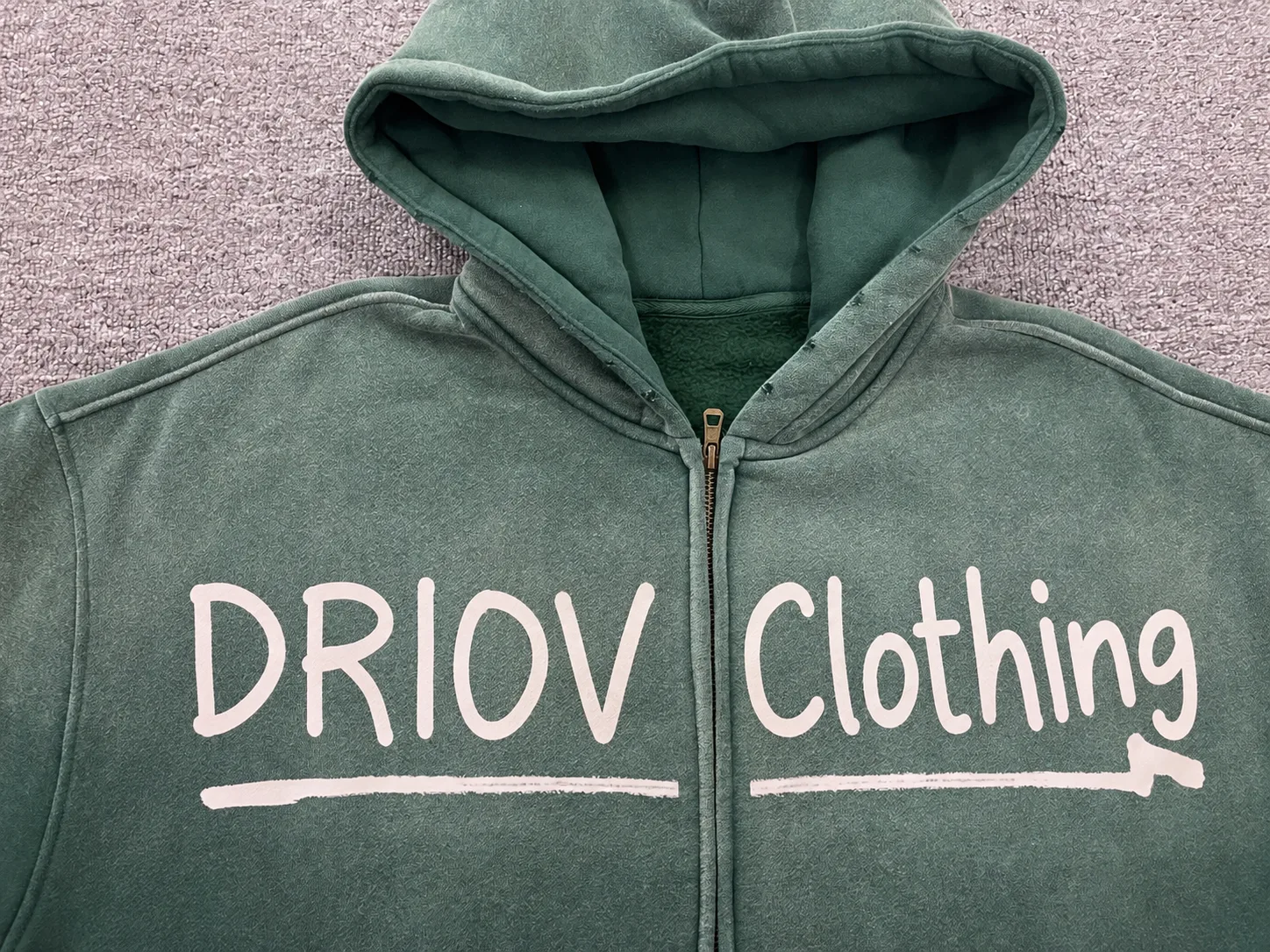
Apply a prepared graphic to the garment using heat. Share the artwork, desired feel and fabric reference so the transfer approach can be reviewed. Placement, heat sensitivity and the finished edge deserve attention when checking the sample.
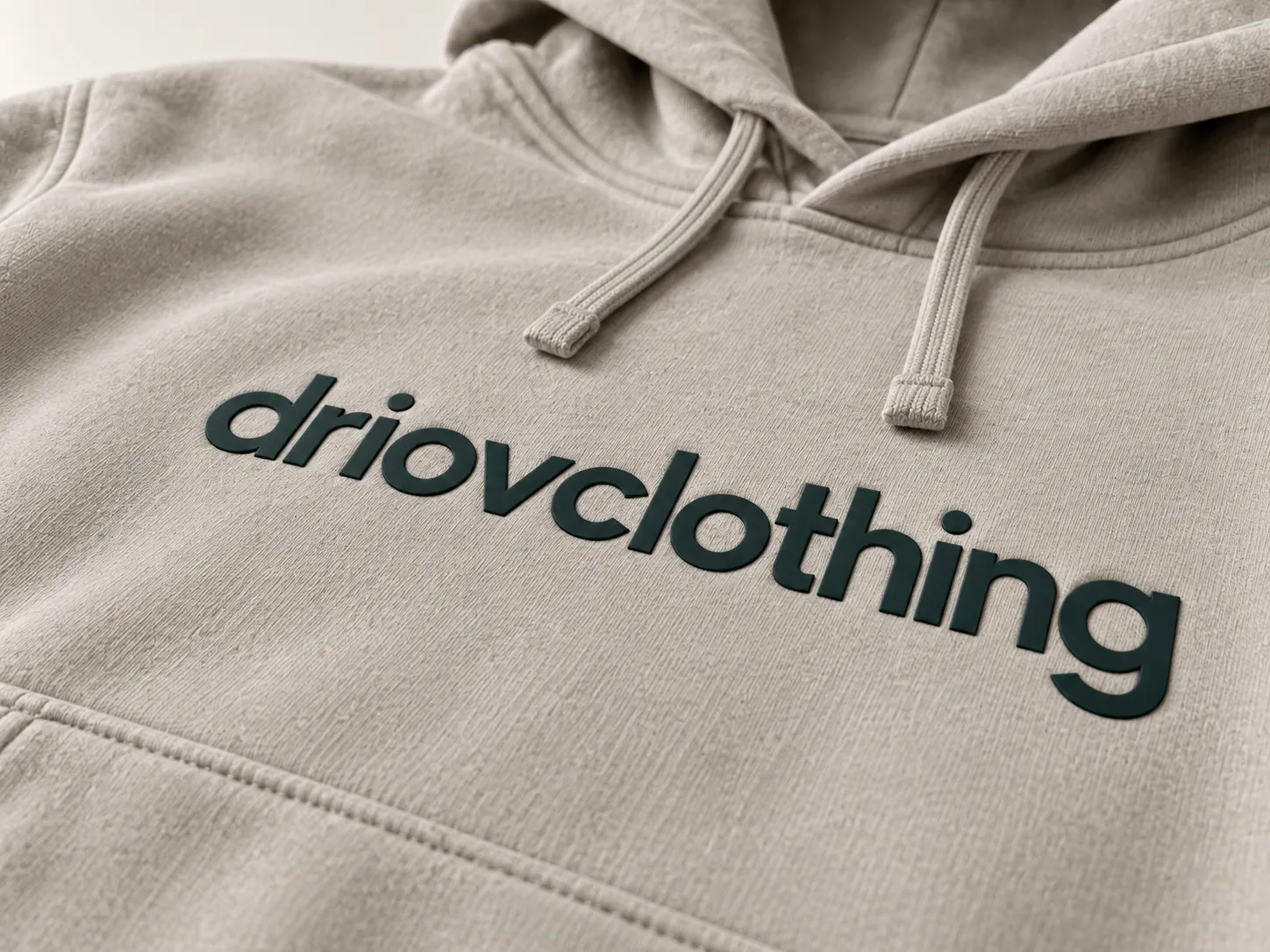
Create a raised print with a more defined profile. Use a close reference to explain the edge and height you want, then review the artwork size, surface and feel on the selected fabric. Keep it distinct from a rounded puff effect in your brief.
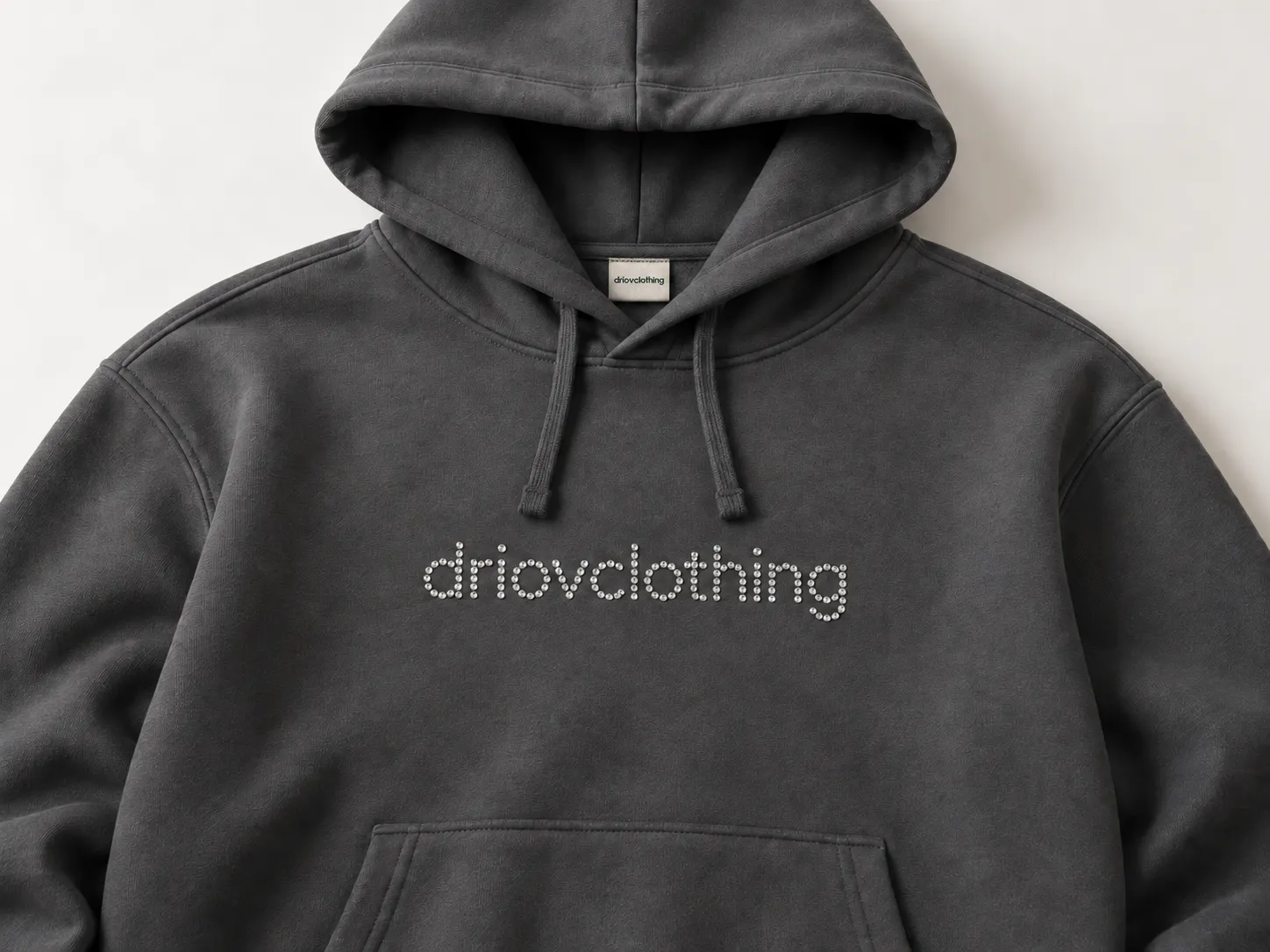
Add reflective detail through a rhinestone layout. Discuss stone color, size, spacing and the outline of the design alongside garment placement. Review the attachment, flexibility and care requirements on a sample, especially where the garment bends or stretches.
Chest lettering and illustrated back prints show different ways to place artwork. Review the transfer, fabric and intended care together when developing a sample.
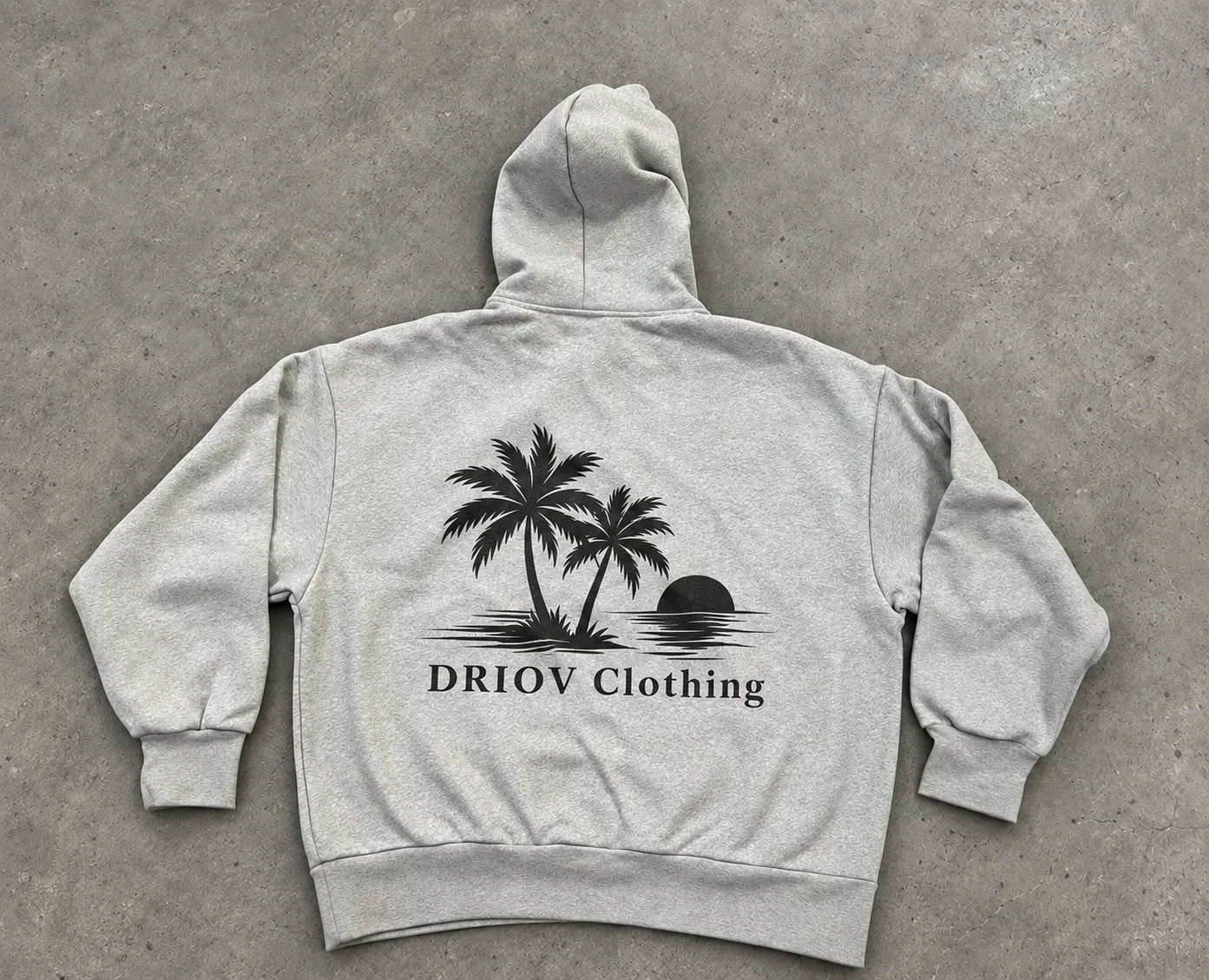
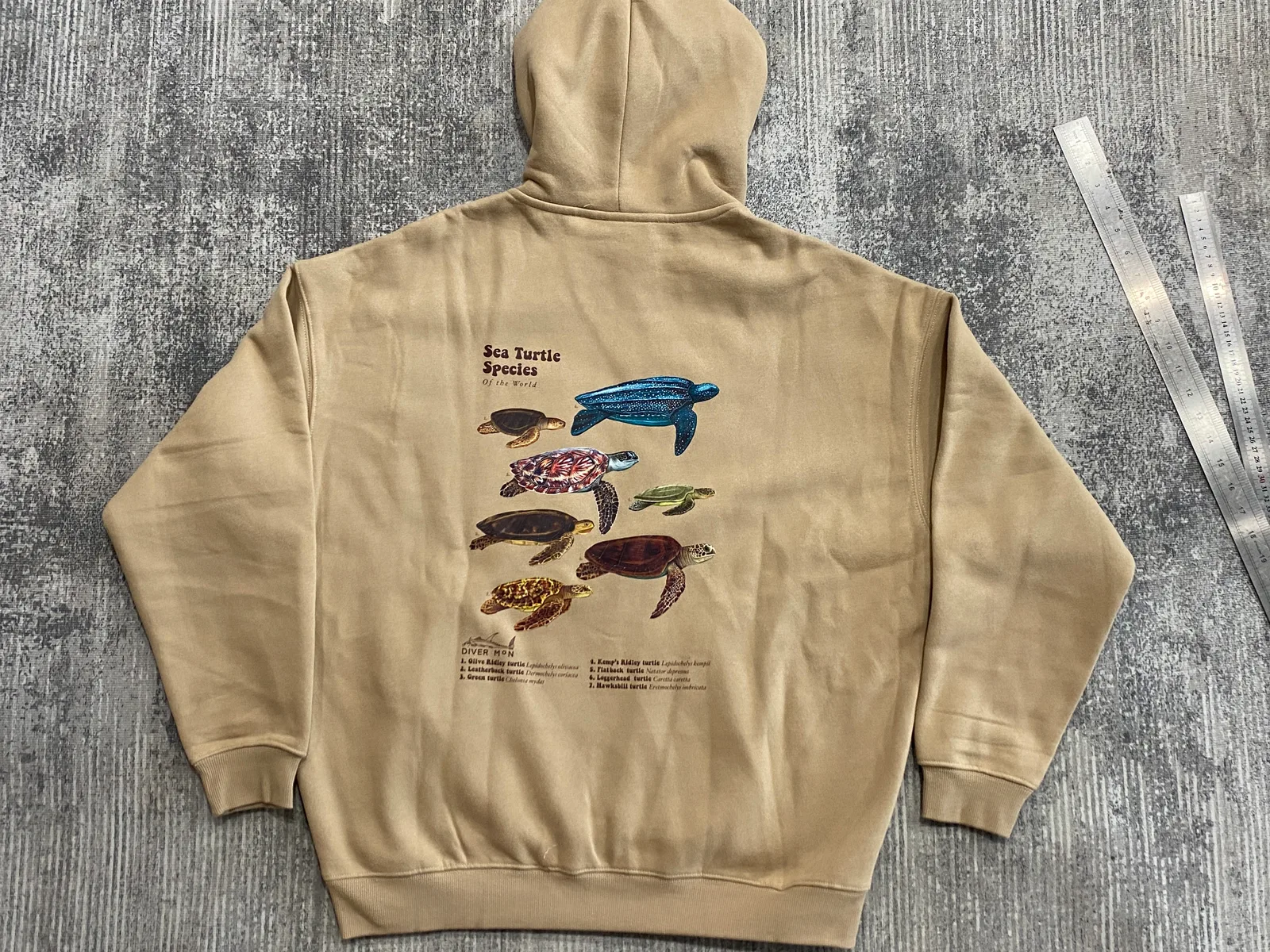
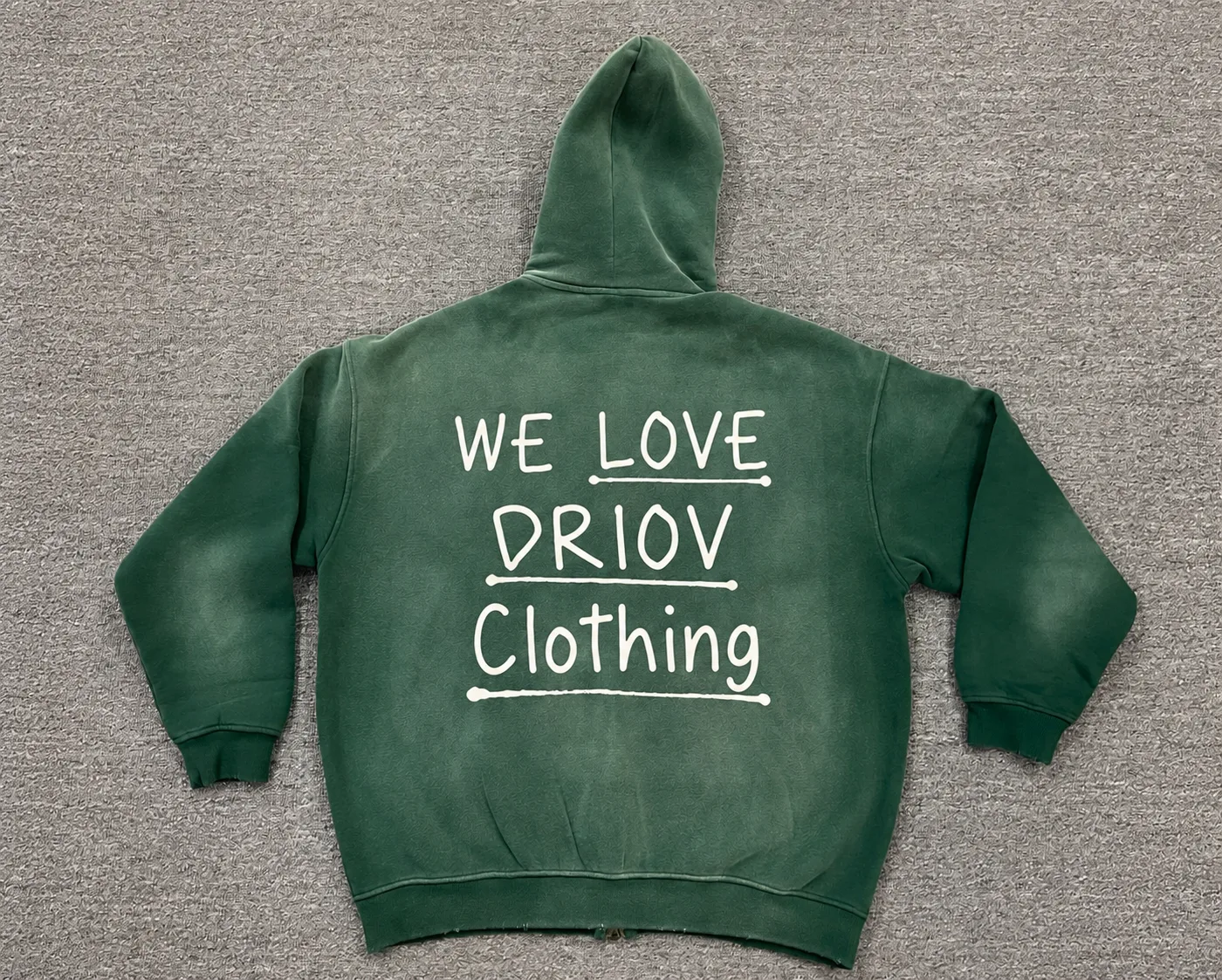
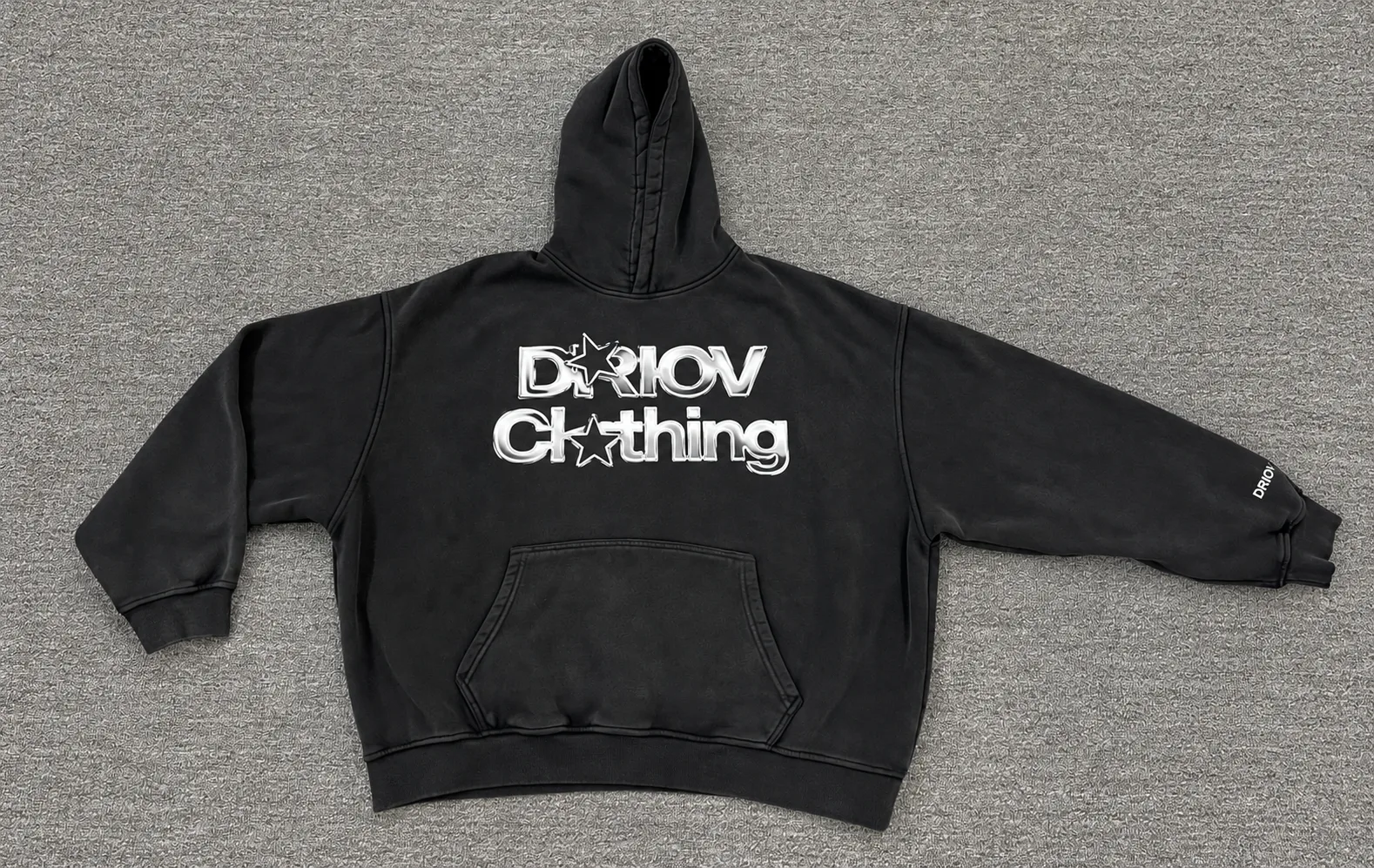
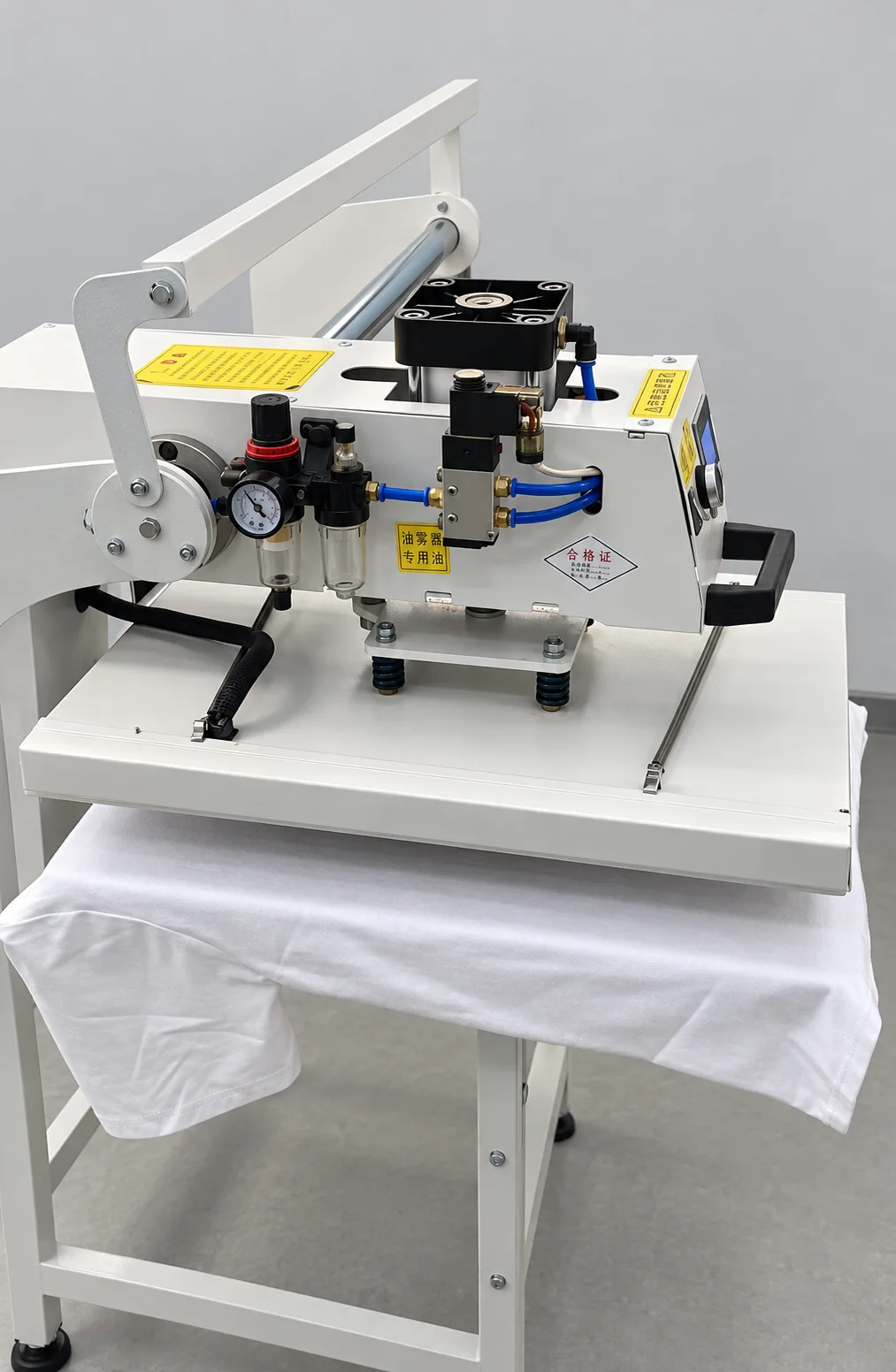
Position the artwork on the garment and review the finished transfer on the chosen fabric.
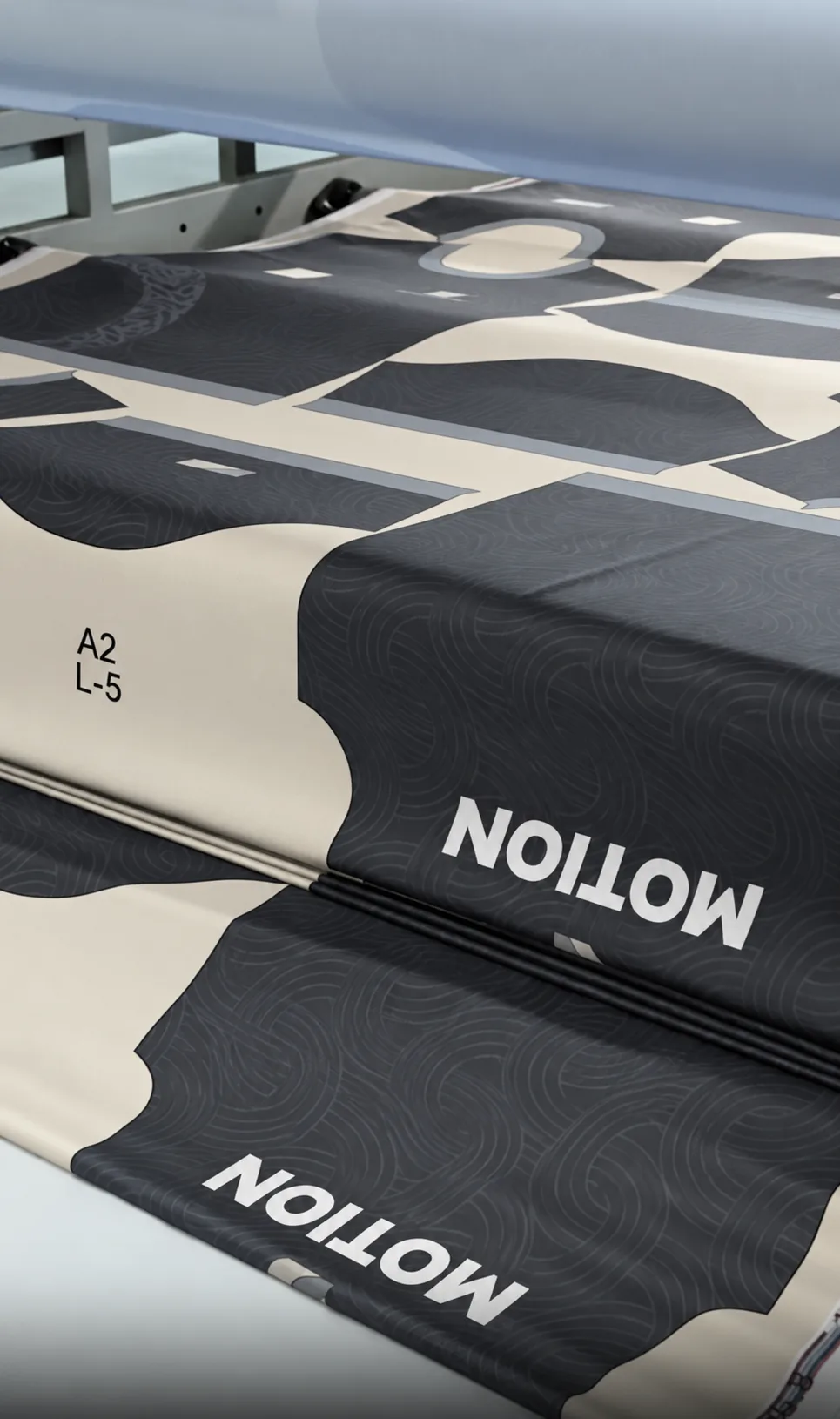
For a panel-print project, include the fabric specification, pattern and artwork layout. We review which material and print approach suit the garment before confirming the sample.
Shape the overall appearance of the garment alongside its printed or stitched artwork.
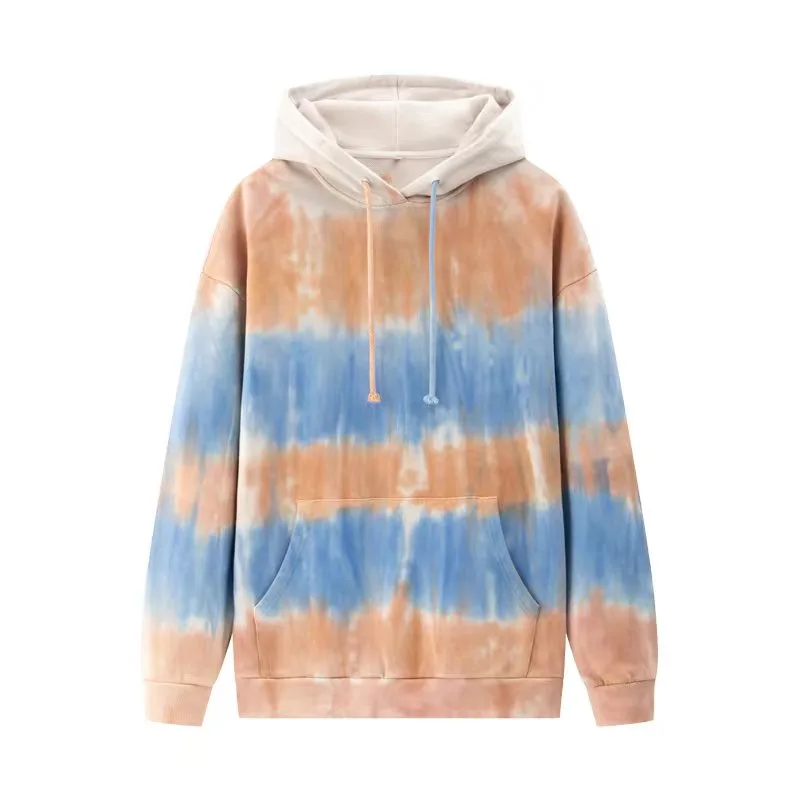
Develop a color pattern across the garment rather than only a logo area. Provide references for the palette, contrast and distribution you want. Review the sample and agree acceptable variation between pieces, together with any decoration added to the dyed garment.
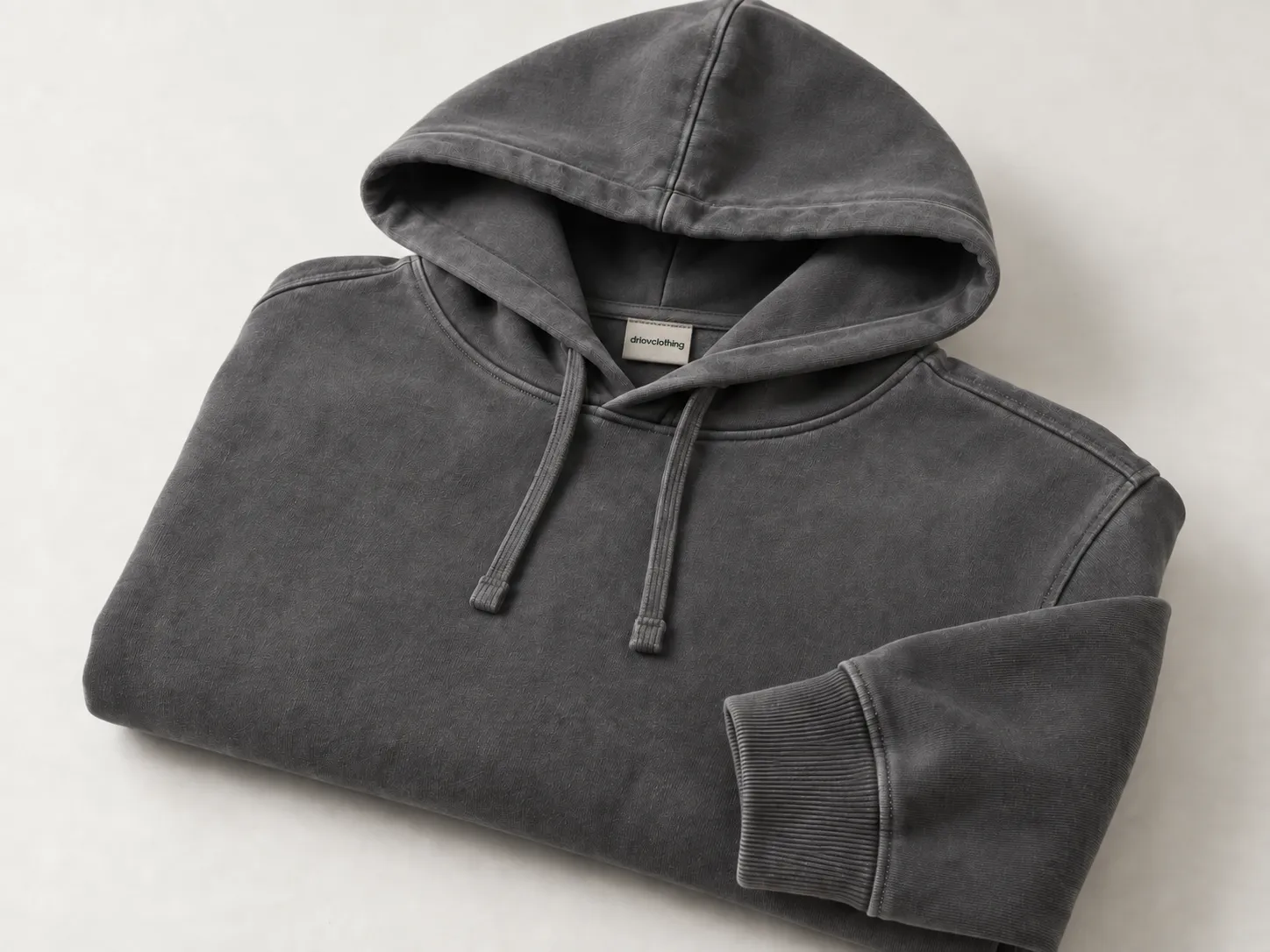
Discuss a washed appearance, color character or hand feel using a garment reference. The treatment depends on the selected fabric and desired result. Review the finish, measurements and interaction with decoration together; one sample effect does not define every washing option.
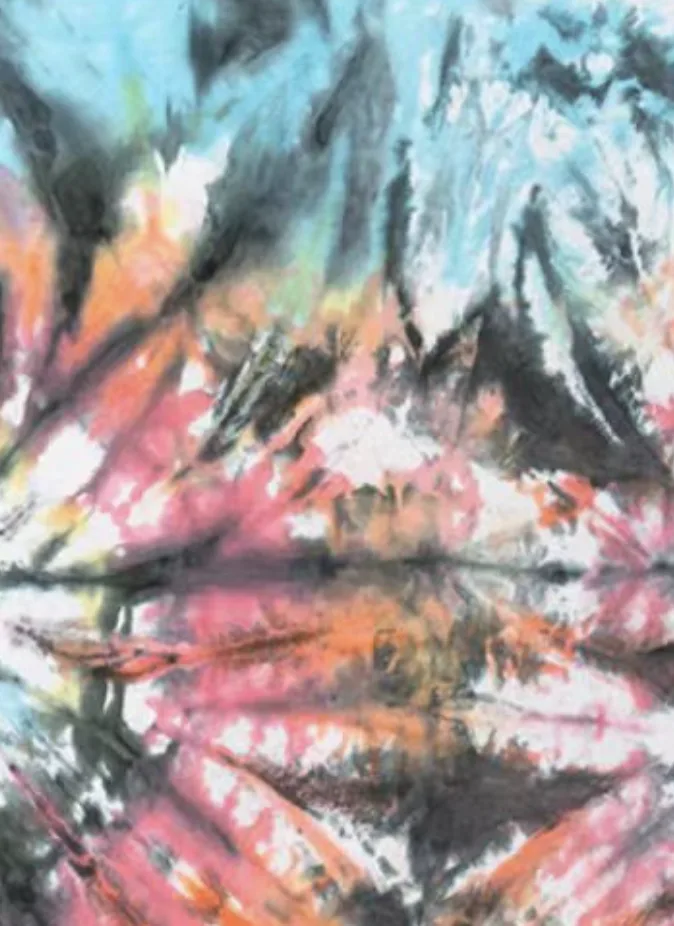
A banded layout and a scattered color pattern give different directions for the same brief. Include front and back references, then review the placement and variation on a sample.
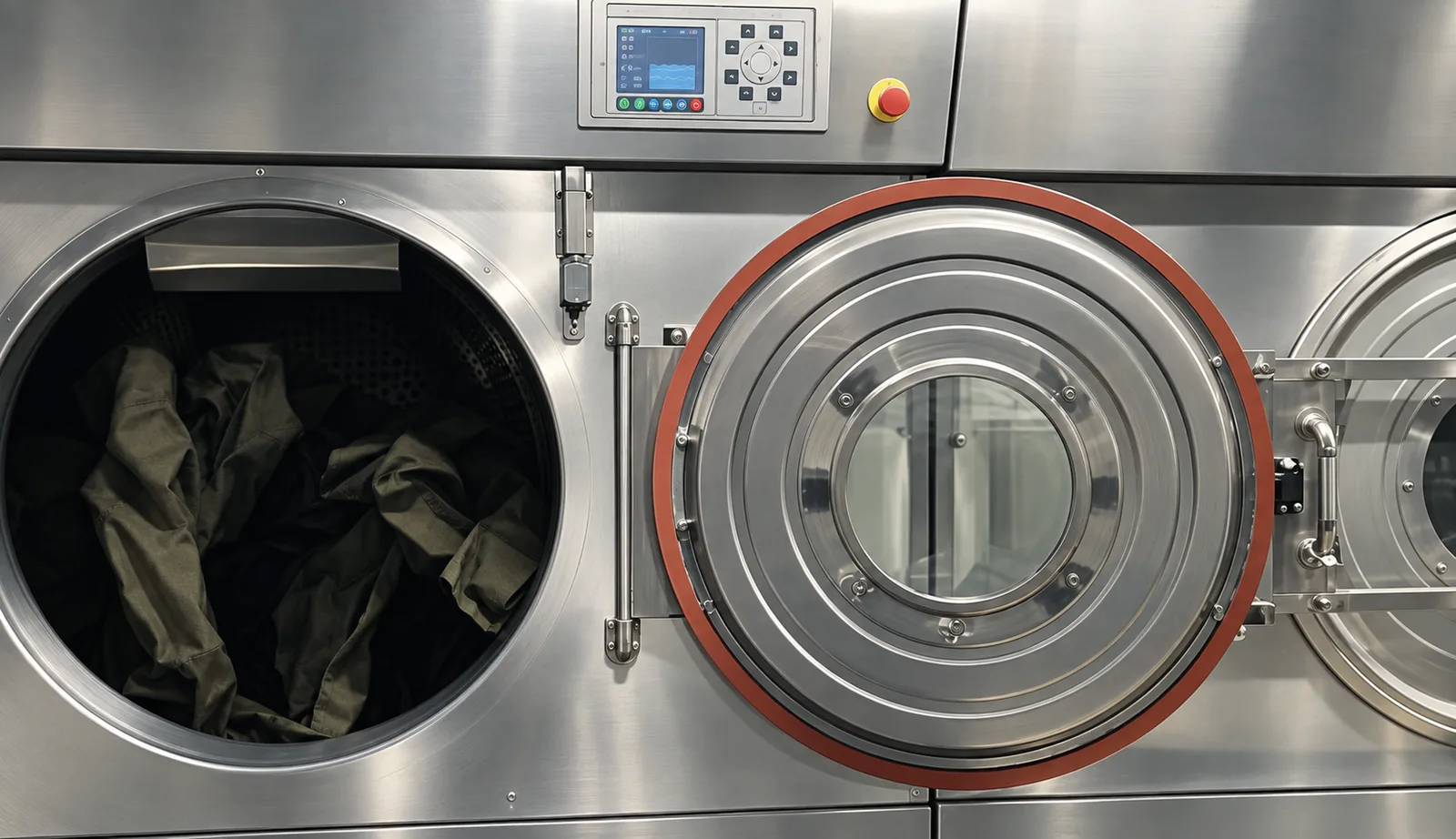
Share a reference for the color variation and surface you want. Review the washed sample alongside its measurements, print and embroidery before agreeing the finish.
Bring together your neck label, size and care labels, hangtags and packing requirements. Share the artwork, wording and placement for each item.
Label replacement and label construction need review against the selected garment. Confirm the fabric composition and care information before approving the final wording.
Read the label checklist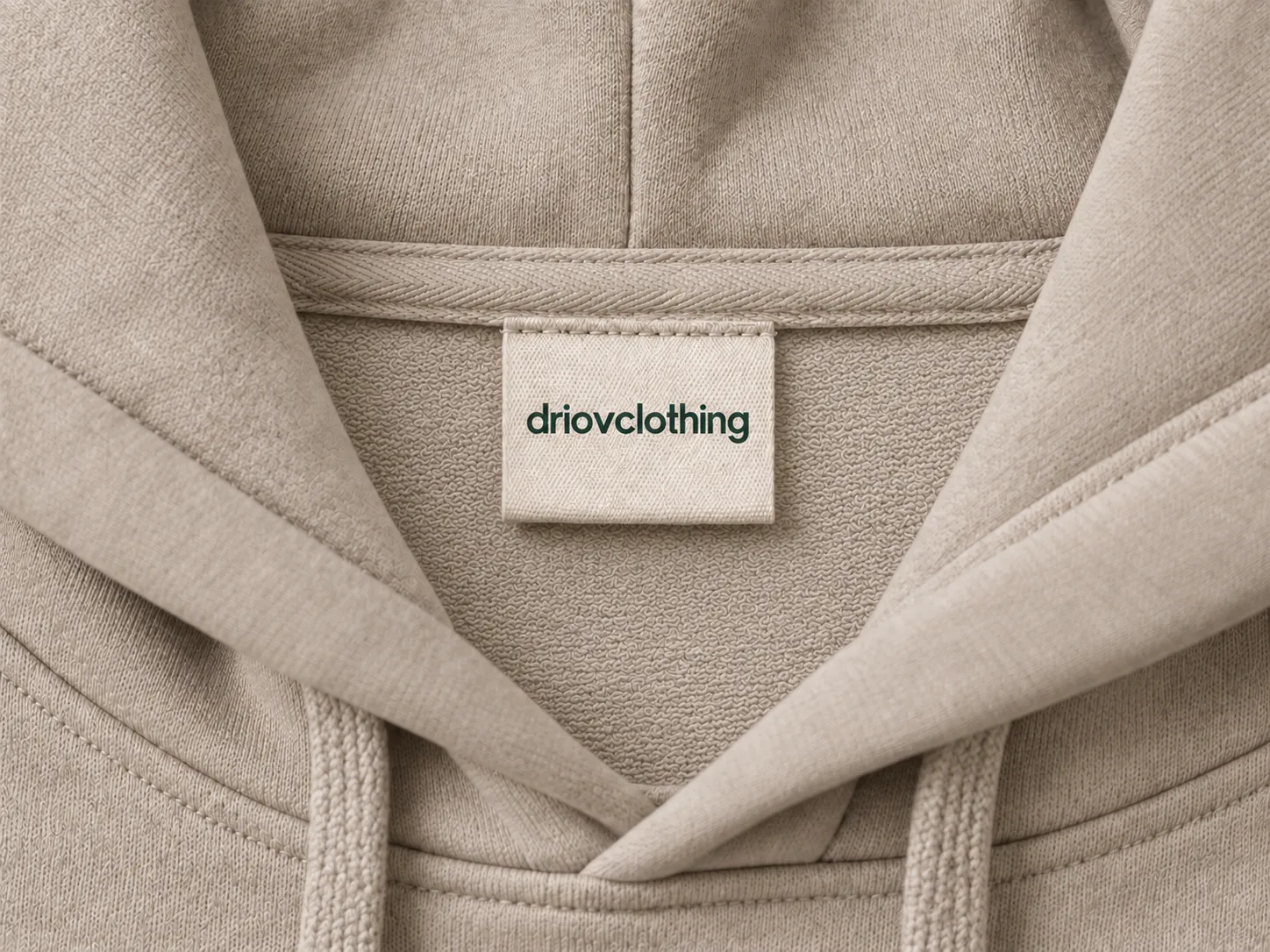
Your brief can go beyond the logo: fabric, fit, pattern, pockets and construction. Send a sketch, garment reference or tech pack, and tell us which details need development.
Share your design brief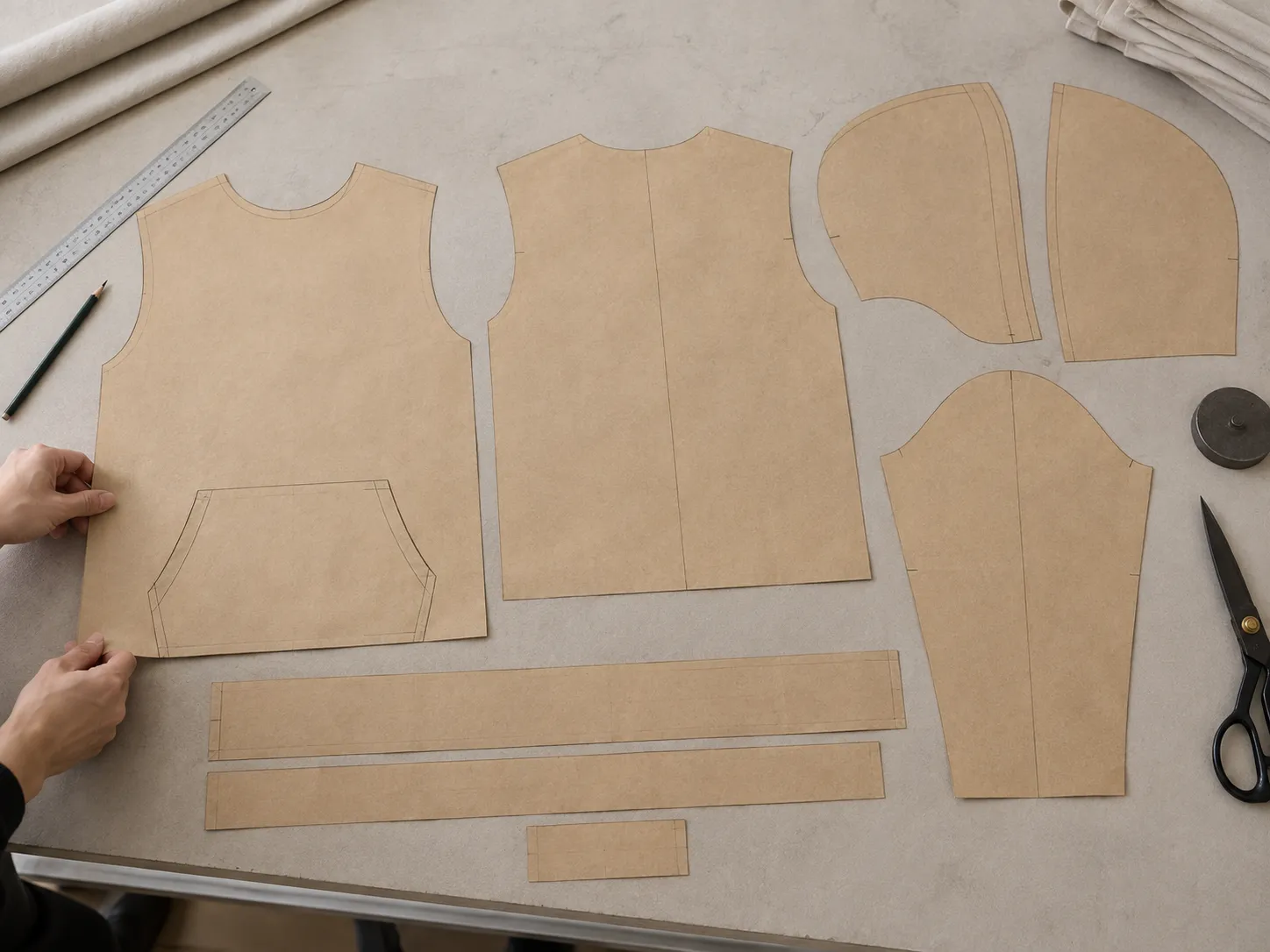
Share what you know and leave room for discussion. The method is confirmed for the chosen fabric, artwork and placement.
Artwork & label checklistOne style, several styles, or a design of your own.