How to Break Down a Bulk Hoodie Order
Buying Guides
A combined order total is only the starting point. Organize quantities by garment variant and size so your buying team and factory can review the same scope.
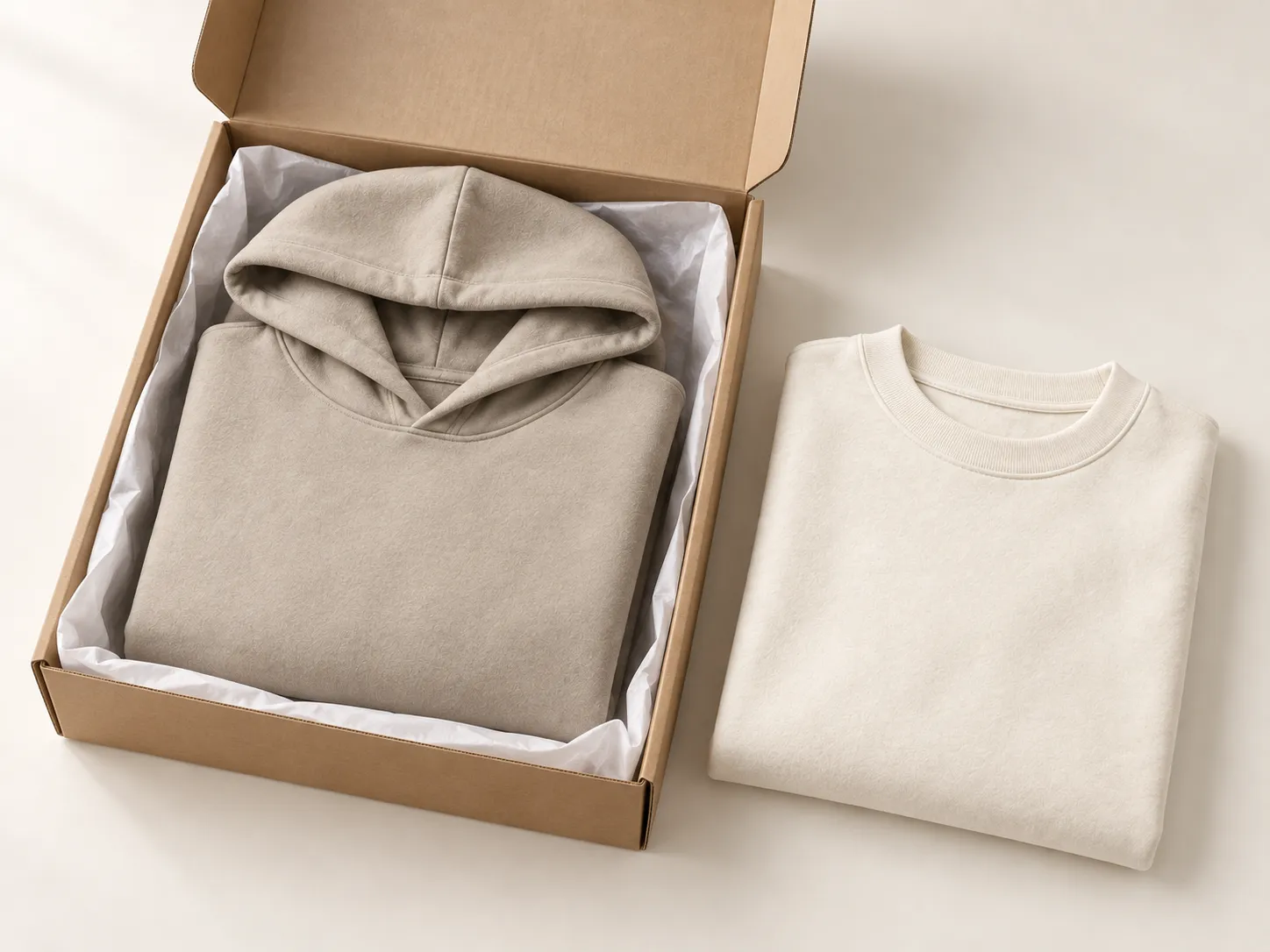
An inquiry for 20,000 garments describes the scale of a project, but not what needs to be made. Ten thousand pieces of one style and color present a different brief from the same quantity divided among several styles, fabrics, colors, and artwork versions.
A useful quantity breakdown makes those divisions visible. It connects the combined total to individual garment variants and the number of pieces in each size, giving both sides a consistent basis for discussing the order.
Define the variant before entering quantities
Start with a stable style reference. Keep the same reference in the quantity sheet, garment specification, artwork brief, and inquiry. Use an additional variant reference when fabric, artwork, or label details change within the same style and color.
Each row should describe one combination clearly enough to distinguish it from every other row. Useful fields are style reference, garment description, color reference, specification revision, artwork or label reference, and size quantities. The table below uses fewer columns to keep the arithmetic easy to read; a working order sheet can hold the supporting references alongside it.
Use one unit throughout, such as pieces. If your internal plan also uses packs, state the number of pieces per pack and keep that calculation separate from garment totals.
An illustrative 20,000-piece breakdown
This fictional example combines three garment styles and six style-color rows. All quantities and size proportions are for demonstration only. They are not a minimum order requirement, a suggested size distribution, or confirmation that any particular combination can be produced together.
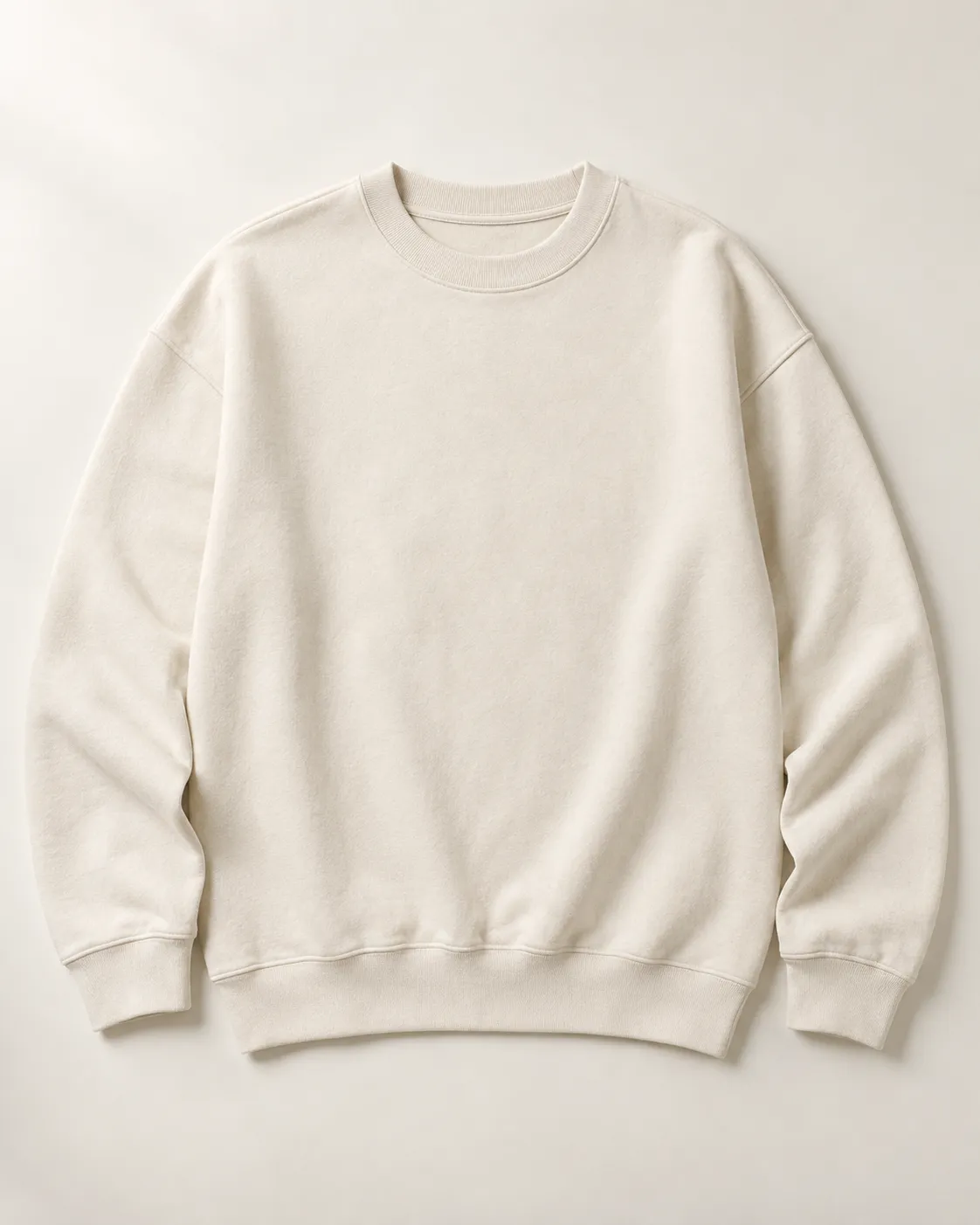
The images below illustrate the three garment types in this fictional example. They do not identify actual SKUs, specifications, or available colors.
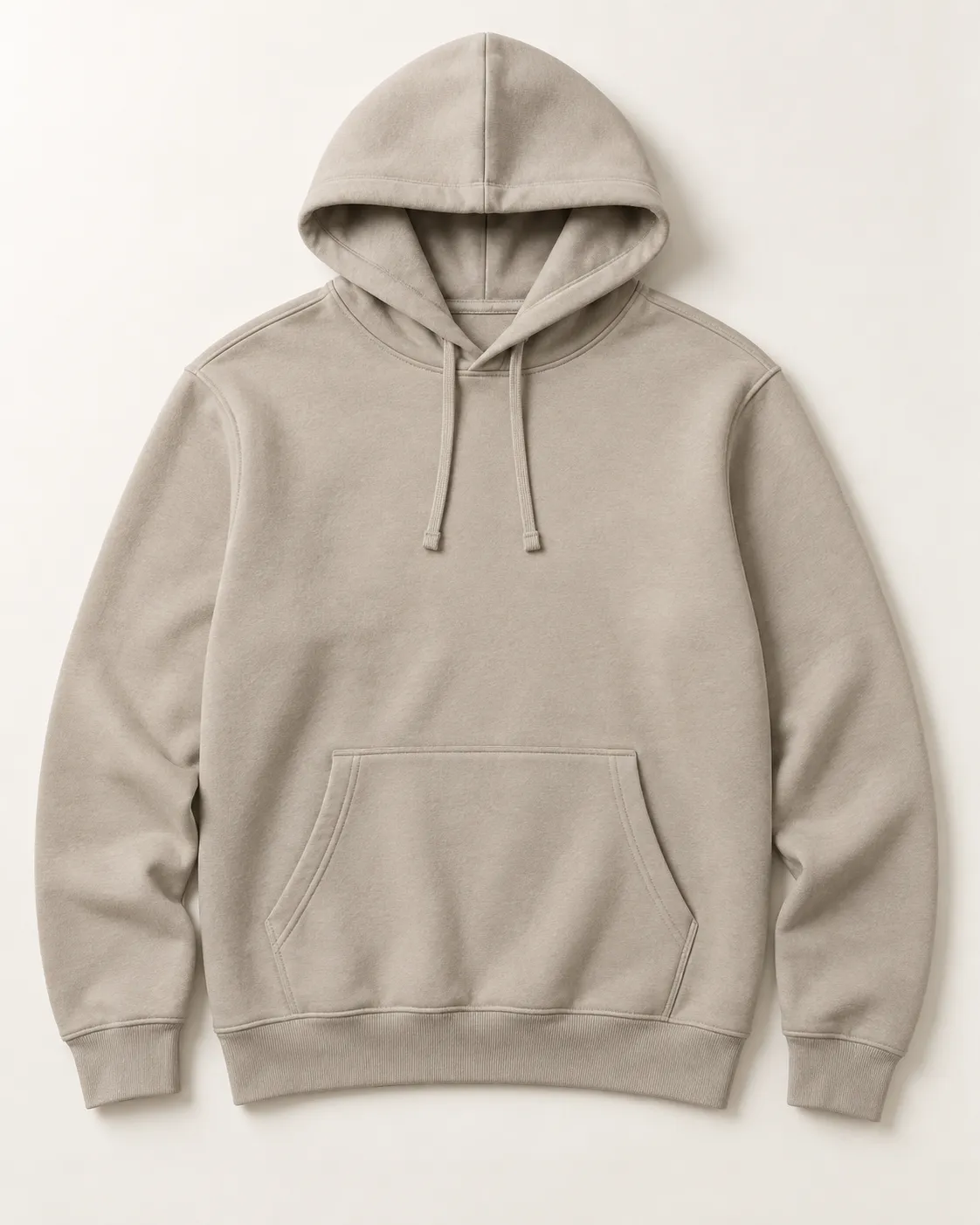
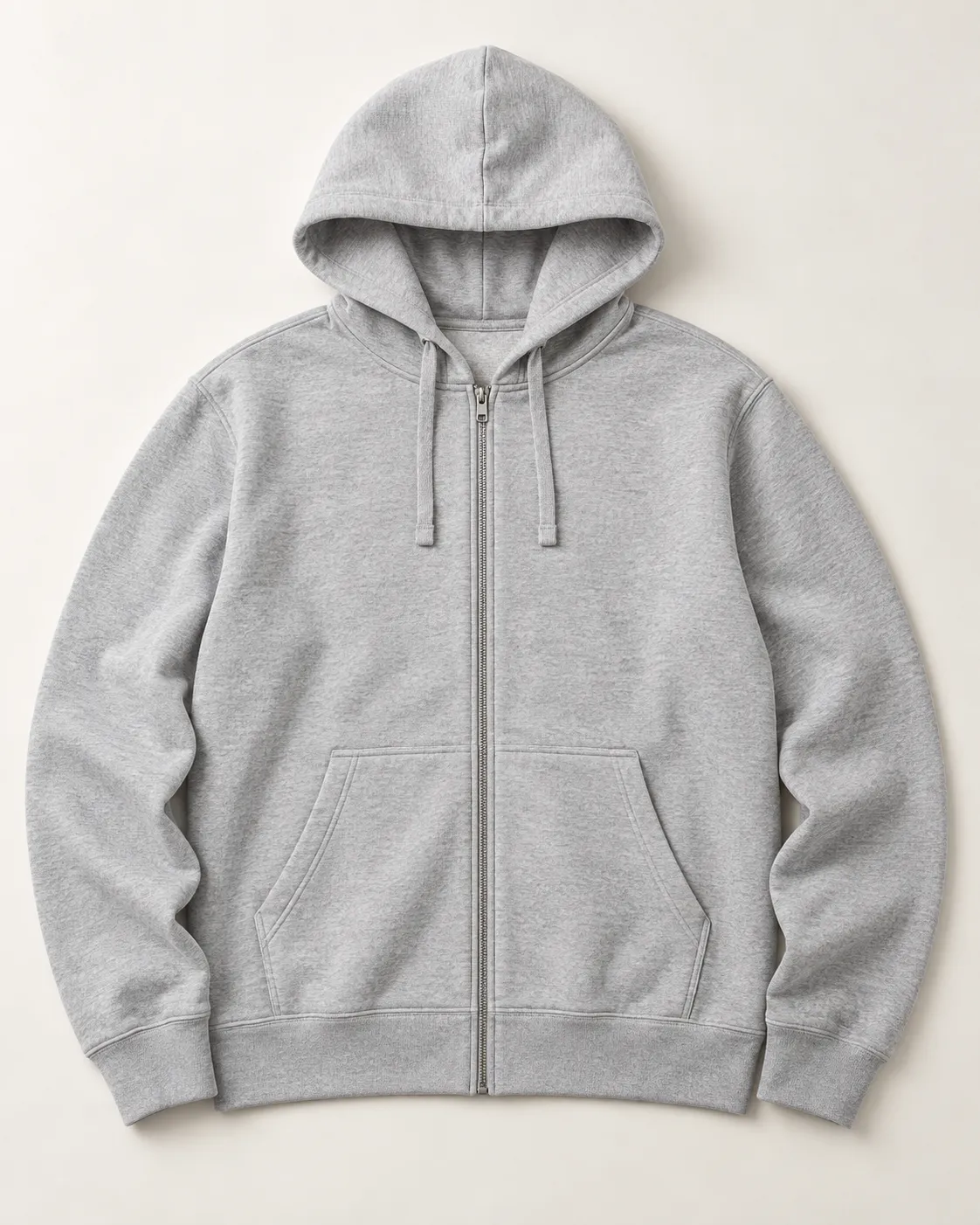
Scroll across the table to see all sizes and totals.
| Style reference | Color | S | M | L | XL | XXL | Total pieces |
|---|---|---|---|---|---|---|---|
| H01 — Pullover hoodie | Black | 600 | 1,500 | 1,800 | 1,500 | 600 | 6,000 |
| H01 — Pullover hoodie | Stone | 400 | 1,000 | 1,200 | 1,000 | 400 | 4,000 |
| H02 — Zip hoodie | Navy | 300 | 750 | 900 | 750 | 300 | 3,000 |
| H02 — Zip hoodie | Grey | 200 | 500 | 600 | 500 | 200 | 2,000 |
| S01 — Crewneck sweatshirt | Black | 300 | 750 | 900 | 750 | 300 | 3,000 |
| S01 — Crewneck sweatshirt | Ecru | 200 | 500 | 600 | 500 | 200 | 2,000 |
| Combined total | 2,000 | 5,000 | 6,000 | 5,000 | 2,000 | 20,000 |
The style subtotals are 10,000 pullover hoodies, 5,000 zip hoodies, and 5,000 crewneck sweatshirts. The six row totals add to 20,000 pieces, as do the five size-column totals. Repeating the same proportions here simplifies the example; an actual order should use your own intended assortment and approved size specification.
Keep size names tied to a size specification
A label such as M identifies an order quantity; it does not define garment measurements or fit. Connect each style to its size specification and revision. Do not assume a size name on one style means identical measurements on another, or substitute a different market’s sizing terminology without agreement.
If your order includes multiple fit blocks or different size ranges, give them separate references. Keep sizes in a fixed column order. Use zero for a size intentionally excluded from a row, and mark an undecided quantity explicitly as pending. A blank cell should not have to mean both.
Make totals traceable
Check totals in both directions. Each row total should equal its size quantities, and the combined total should equal both the row totals and the size-column totals. Style subtotals provide a useful third check when the inquiry includes several garment types.
In a spreadsheet, calculate totals from the quantity cells rather than typing them separately. Keep explanatory notes outside numeric cells so formulas can include every intended quantity. Before sending, review the exported file as well as the editable sheet: hidden rows, filters, or a cropped print area can remove part of the order from view.
Check for duplicate rows. If two rows share a style and color but intentionally use different artwork or labels, add the distinguishing reference instead of silently merging them.
Show changes and open decisions clearly
Give the sheet a revision identifier and record which version it replaces. When a quantity changes, update the affected row, style subtotal, and combined total together. Keep the quantity in your inquiry message consistent with the attached breakdown.
If a color split is still being discussed, label the figures as provisional and state the unresolved question. Keep alternative scenarios on separate, clearly named sheets; two options should not accidentally add into one order. The factory can then review the actual proposed mix and flag constraints without having to infer your preferred version.
Include the breakdown in your inquiry
Choose your starting references from the hoodie and sweatshirt ranges, then summarize the proposed mix in your quote request. Include the combined piece count, style-color totals, size breakdown, and relevant specification references. If you have a detailed quantity sheet, mention it so it can be shared during follow-up. State the destination and any required delivery date as request details for discussion.
An itemized quantity sheet supports a specific conversation about your order. Commercial terms and production feasibility still need confirmation against that complete brief.